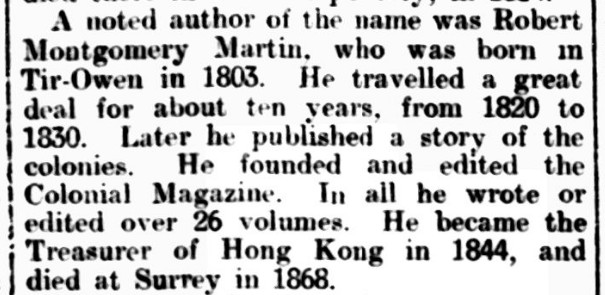
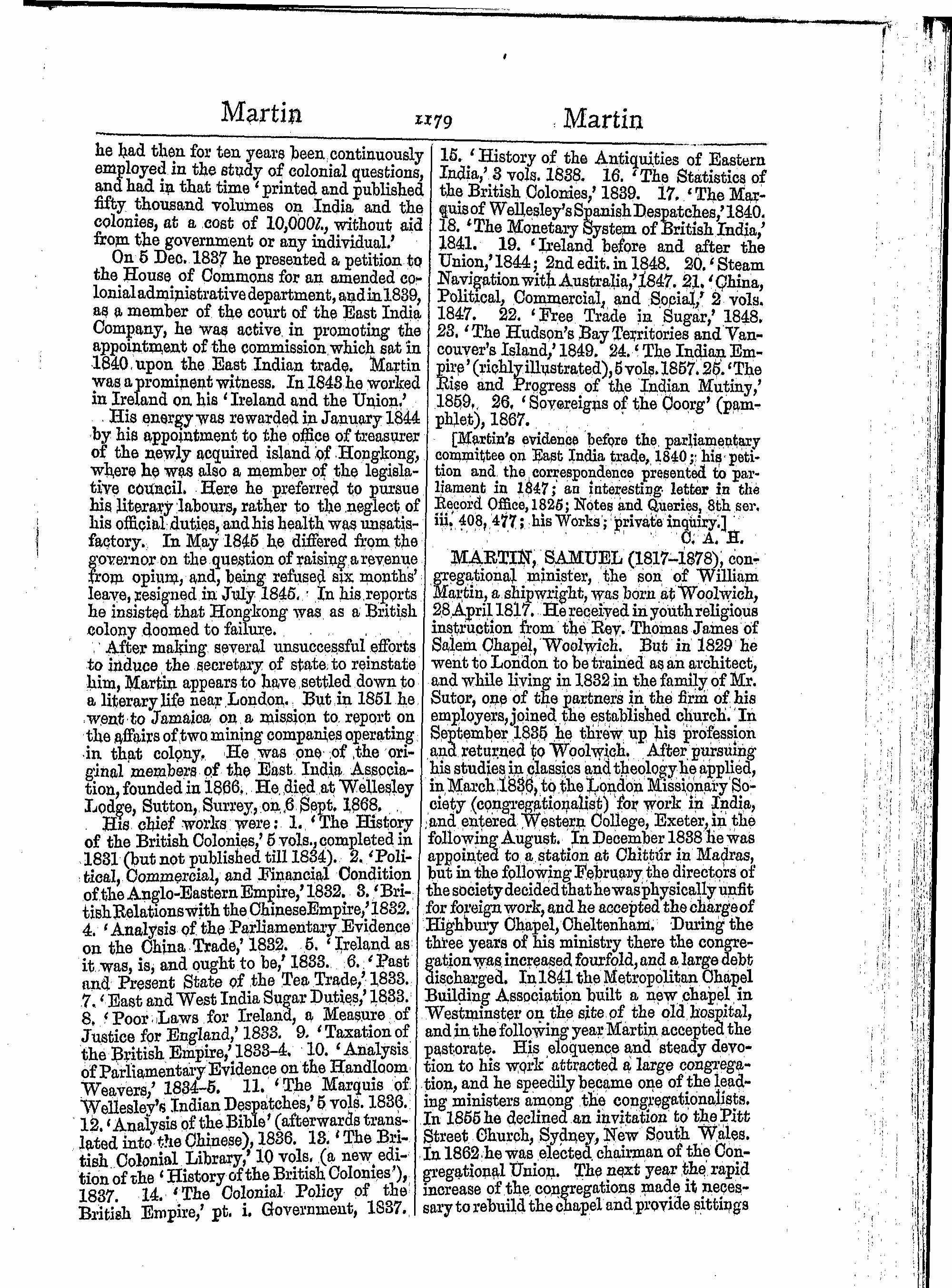
The Family of Frances Jane Avice KEITHA Short Biography of Robert Montgomery Martin (1803-1868)I do not profess this to be a complete or detailed biography of Robert Montgomery Martin: rather it fills in some of the more family-oriented details omitted from the 2004 Dictionery of National Biography (reproduced below). Birth in IrelandAccording to the Oxford Dictionary of National Biography (2004 version) Robert Montgomery MARTIN ".. was born while his family were living at 106 Great Britain (afterwards Parnell) Street, Dublin, the younger son of law agent John Martin (d. 1808) of Augher, co. Tyrone, and Mary Hawkins of Dublin. His father's family were ‘loyal’ Ulster, Anglican protestants, his mother's well-to-do tradespeople" although the source of this information is not stated. His birth is not found in the Ireland church or civil records, although these are very fragmentary for this period. Other records have him born in Dublin in about 1801-1803. The "Frontier Sentinel" newspaper published in Newry, co Down Ireland has him born in 1803 at Tir-Owen.
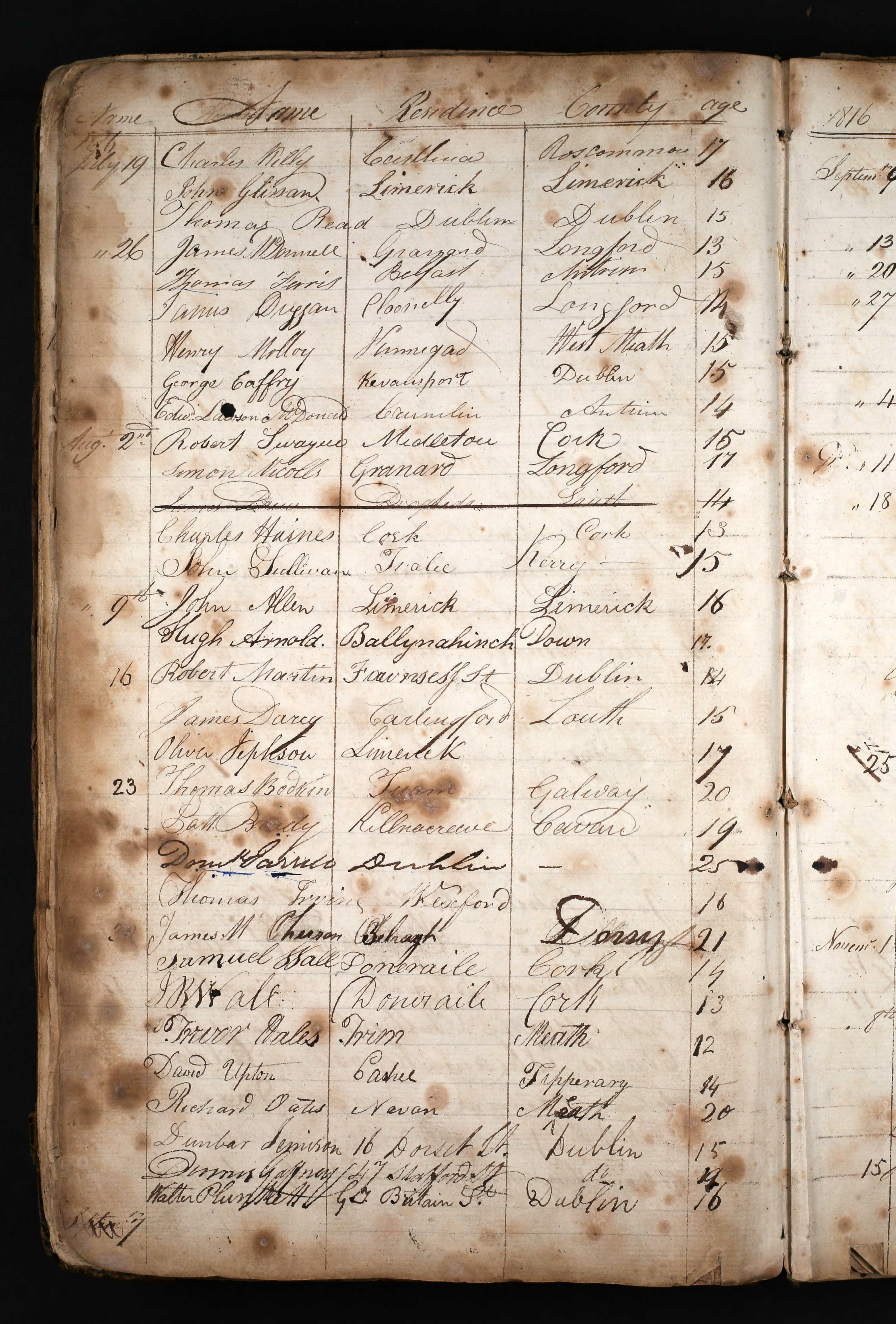
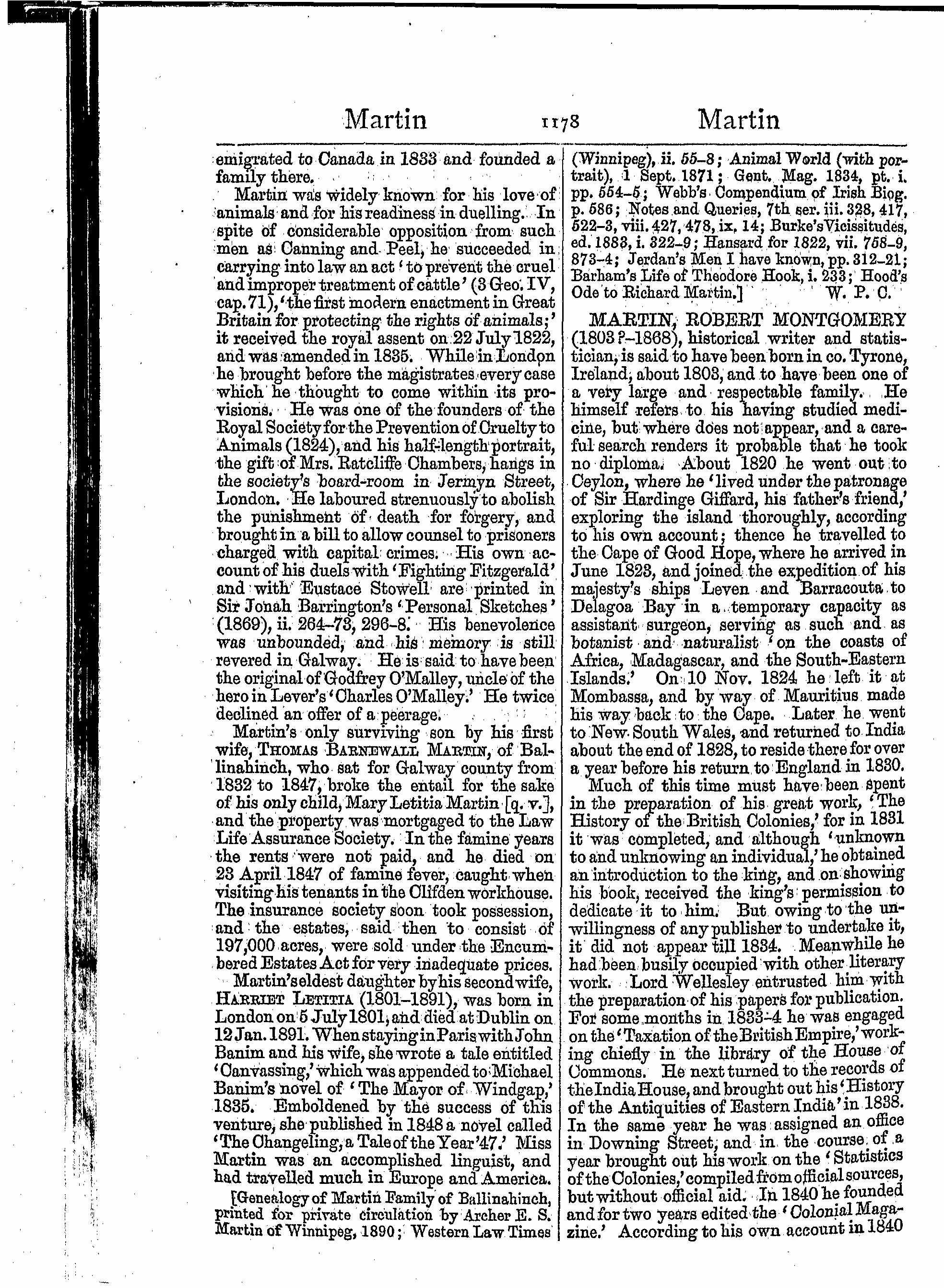
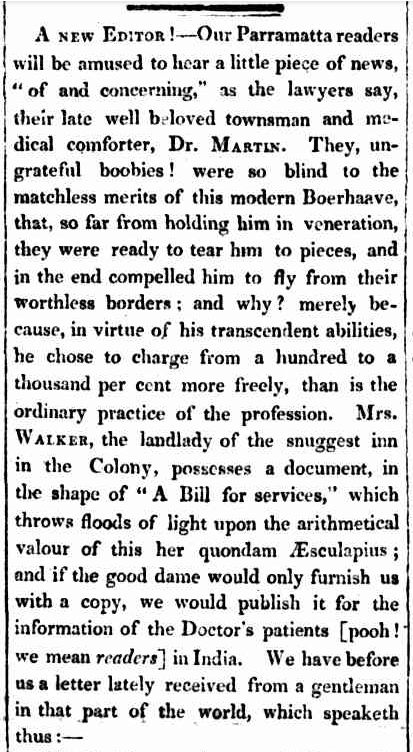
In the 1851 census he claimed to be 47 years old (born 1803). The earlier version of the Dictionary of National Biography (pp 1178-1179 Volume XII - Stephen & Lee 1917: Oxford University Press) states Martin ".. is said to have been born in co. Tyrone, Ireland in about 1803 and to have been one of a very large and respectable family". Apprenticeship as an ApothecaryThe 1917 Dictionary goes on to say ".. He himself refers to his having studied medicine, but where does not appear, and a careful search renders it probable that he took no diploma". Throughout his life he was often referred to as Dr Robert MARTIN and he did work in medicine, first as a ship's assistant surgeon then as a medical practitioner in Parramatta, Sydney Australia. Although it appears that he did not qualify as a doctor of medicine in the accepted sense his later works suggests he was well educated in science and mathematics. There is evidence that he was not without qualification or training in medicine. On 16 August 1816 a Robert Martin signed on as an apprentice Apothecary in Dublin. He stated his age was 14 (thus born in 1801-2). Although not certain, this was probably Robert Montgomery Martin. In Ireland, apothecaries were regulated by a guild established in Dublin in 1746 and then by the Apothecaries Hall Act of 1791. Both these events required apothecaries to have a good education and professional training (both traits that Robert MARTIN exhibited in later years).
1921-22 Dictionary of National BiographyThis earlier version of the Dictionary of National Biography (1917) was reprinted by the Oxford University Press in 1921-22. The section on Robert Montgomery Martin was written by Charles Alexander HARRIS.
2004 Dictionary of National BiographyThis updated version was publishd in print & online on 23 September 2004.
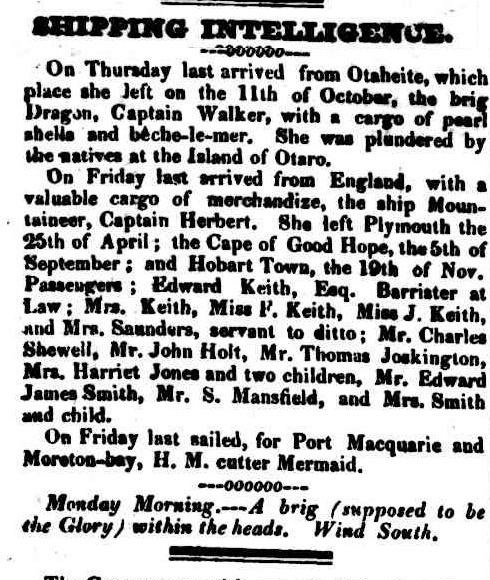
To Australia in pursuit of Frances Jane Avice KEITHAs told elsewhere in this story, on 25 April 1825 the KEITH sisters - Susan, Frances and Jessica Amelia - accompanied their brother Edward Joseph and his new wife Anne on board the ship Mountaineer when it sailed from Plymouth for Sydney, Australia. The ship went by way of Cape Town, but was damaged in a storm and spent some time in Cape Town being repaired. Whilst in Cape Town Edward Joseph would have been the guardian of his three sisters - Susan aged about 25, Frances about 17 and Jessica about 15. Whilst in Cape Town Susan married John BEAL, purser on HMS Glendowner and they returned to London. Frances meanwhile had been enjoying the society life in Cape Town, where she met an eloquent young Irishman (aged about 24 years) who had been the assistant surgeon, botanist and naturalist on an expedition around the coast of Africa. This man, Robert Montgomery MARTIN, had left the expedition on 10 November 1824 at Mombassa and then made his way to Cape Town. Here he found the KEITH family with whom he must have struck up a friendship. Edward Joseph KEITH, now a lawyer and barrister, was about same age as MARTIN, being born in 1801. Both were well educated and both clearly ambitious. For MARTIN there would have been the added bonus of the three attractive KEITH sisters, who despite being chaperoned by Mrs Saunders, the family's servant, and their Aunt Anne (Edward's new wife) would have attracted attention. The Mountaineer eventually departed Cape Town on 5th September 1825 and headed to Hobart Town, where it arrived on 24 October. The ship's arrival was recorded in the local newspaper: in addition to the KEITH family there was a Mr Martin, presumably Robert Montgomery Martin, who sailed from Cape Town with the Keith family, either providently taking the same ship or deliberately embarking in order to woo Frances. The ship remained in Hobart for nearly a month before departing for Sydney on 19th November, at last delivering the KEITH family (minus Susan) after 7 months travel. The Sydney papers also recorded its arrival, this time minus Mr Martin.
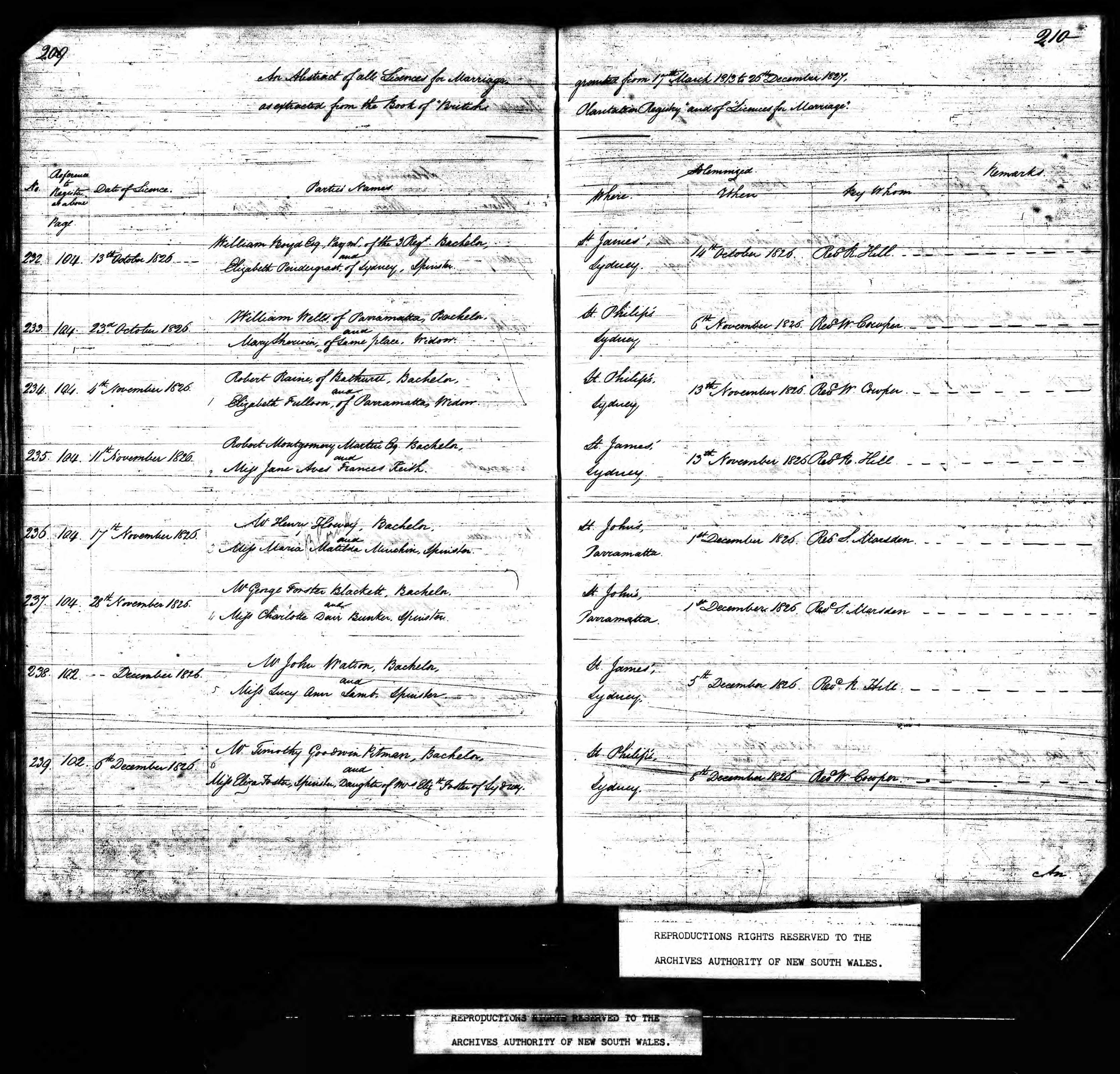
Marriage to Frances Jane Avice KEITHNot surprisingly, Robert MARTIN soon found his way to Sydney where he rekindled his friendship with the KEITH family. On 11 November 1826 Robert Montgomery MARTIN applied for a marriage licence and 2 days later, on 13 November he married Miss Jane Avis Frances KEITH at St James Church, Sydney.
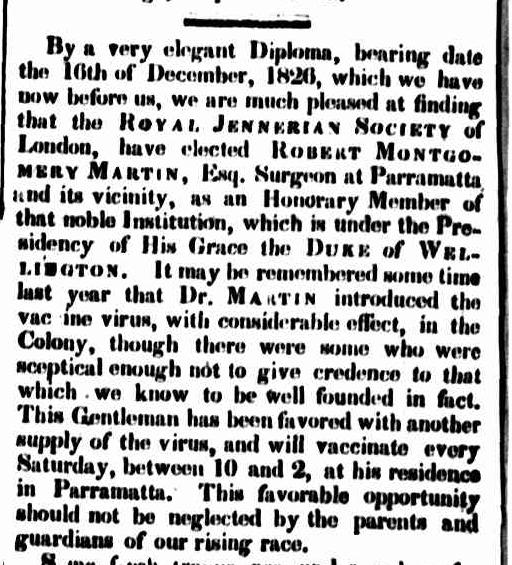
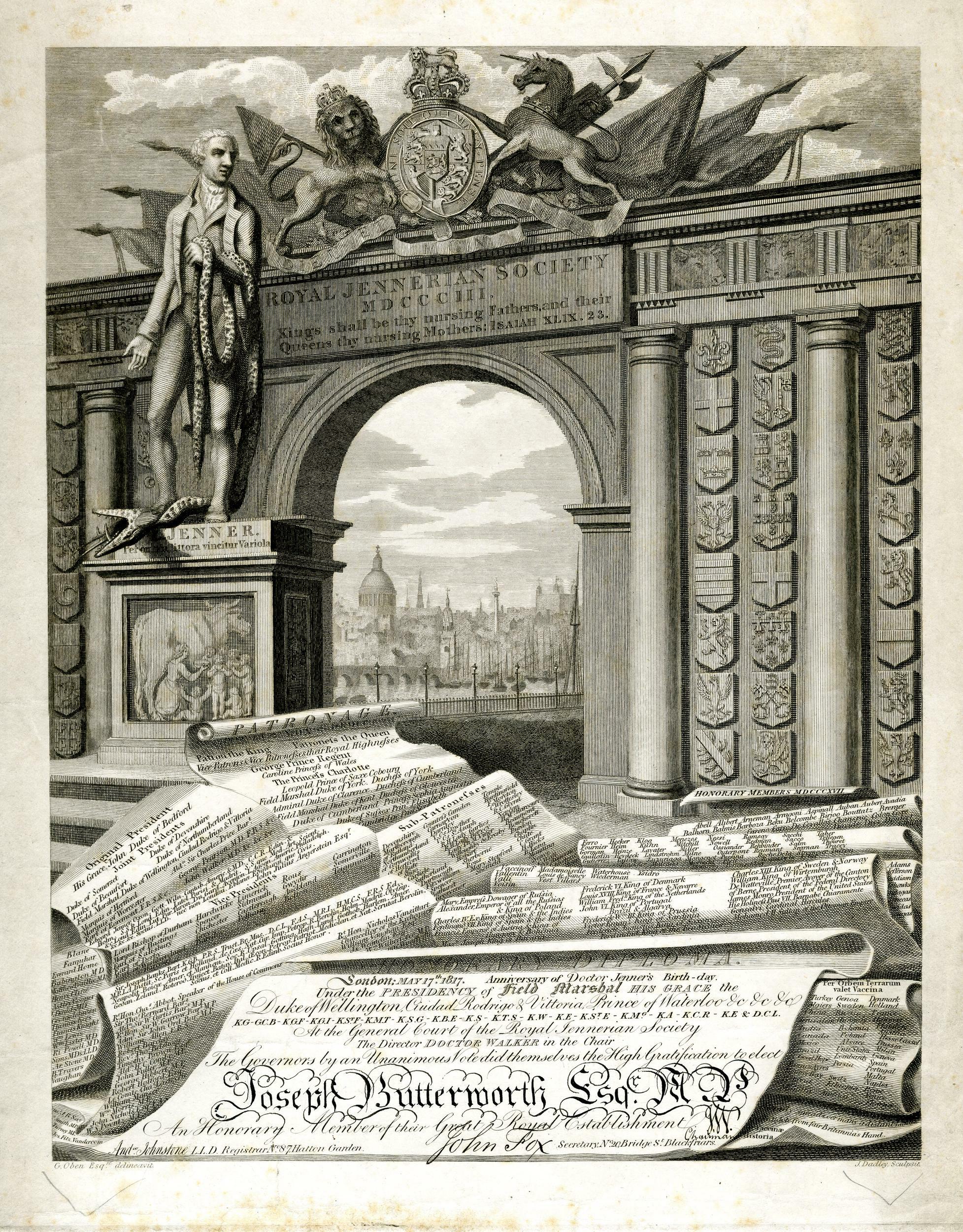
No children of the marriageOther researchers of the KEITH and MARTIN families have found the birth of a "Robert MARTIN" to Robert and Jane MARTIN, born 26 February 1834 at Parramatta, Sydney and attributed this birth to Robert Montgomery MARTIN and Jane Frances. Although Robert Montgomery Martin, a "respected medical practitioner" had lived at Parramatta, there is no evidence that this was their child. In fact, according to later evidence given by Montgomery Martin in 1847, he and Jane Frances did not have any children. In addition, Robert Montgomery and Frances had left Australia by 1830, travelling first to India around the end of 1828, before returning to England in about 1830. As they were, according to Robert, in England by 1831, the child born in 1834 in Sydney could not have been theirs. A "respectable medical practitioner" at Parramatta, SydneyMartin arrived in Sydney some time in early 1826. Despite an absence of formal medical qualifications, Robert MARTIN set himself up as a medical practitioner at Parramatta, a small settlement several miles inland from Sydney. He was clearly successsful at this endeavour: the lack of a formal qualification in medicine did not inhibit his success and he was soon highly regarded by the local society for his medical skills, if not for the exorbitant fees he charged. He was credited with introducing the smallpox vaccine to Sydney. In July 1827 the Sydney Gazette reported that Martin had been elected an Honorary Member of the Royal Jennerian Society of London, in recognition of his pioneering work in bringing a vaccine to the colony.
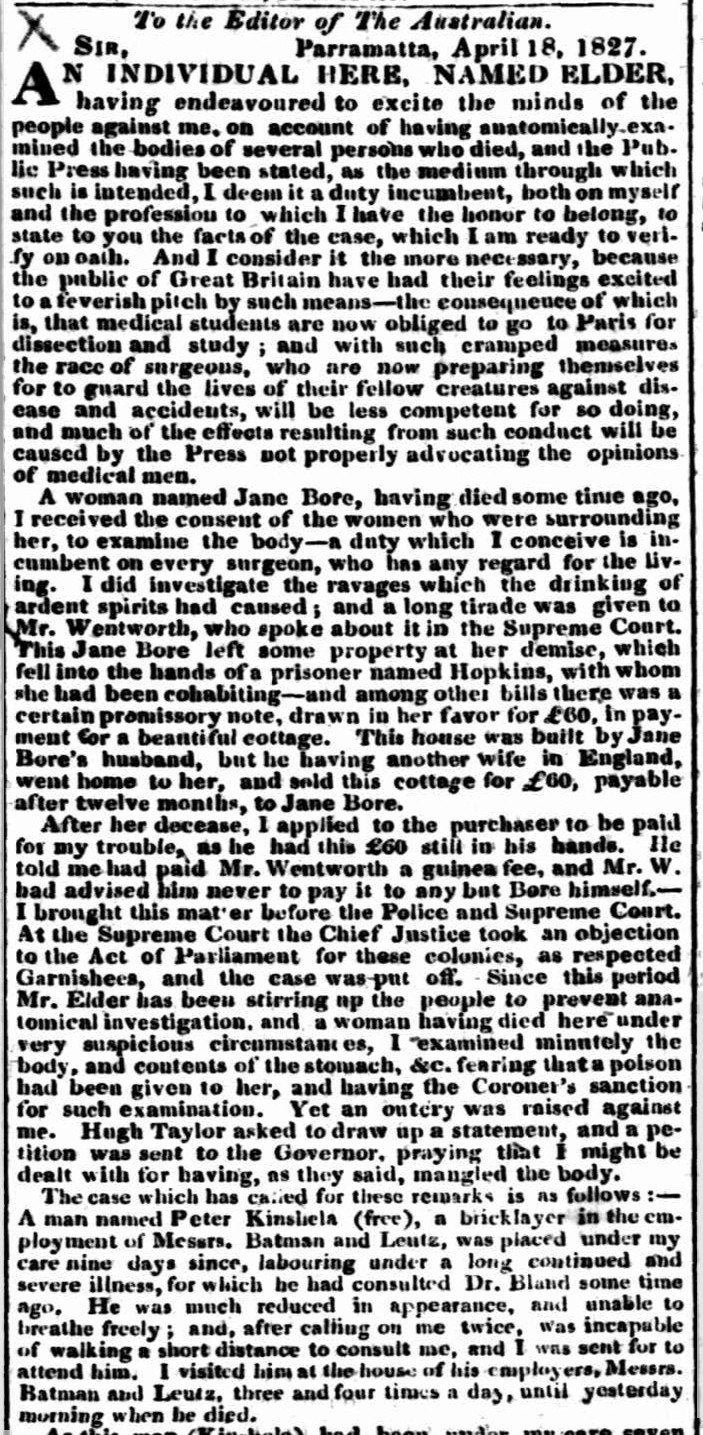
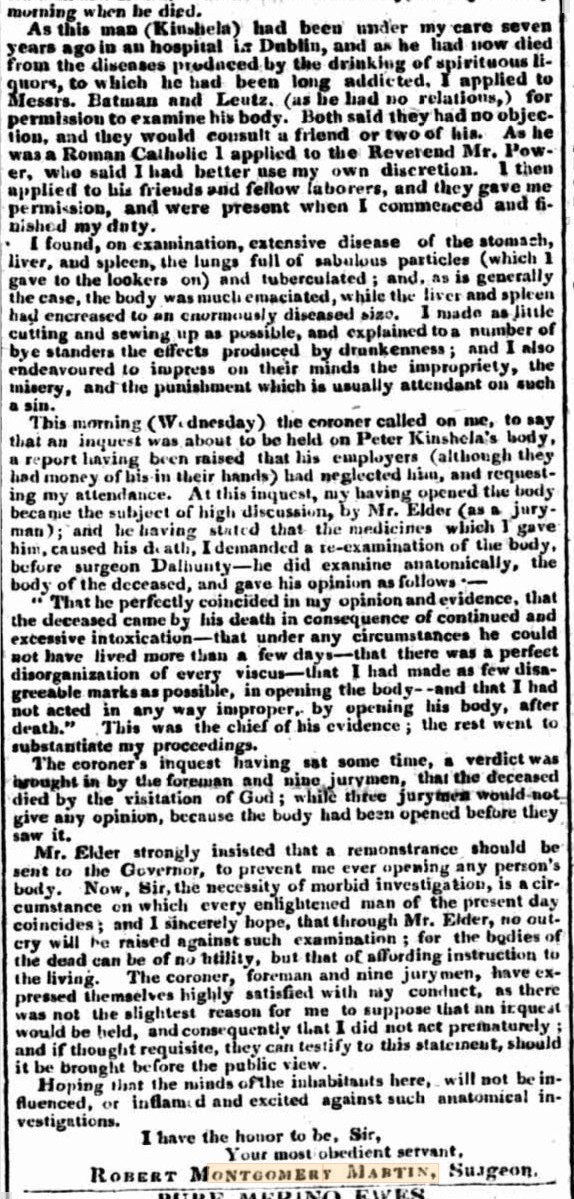
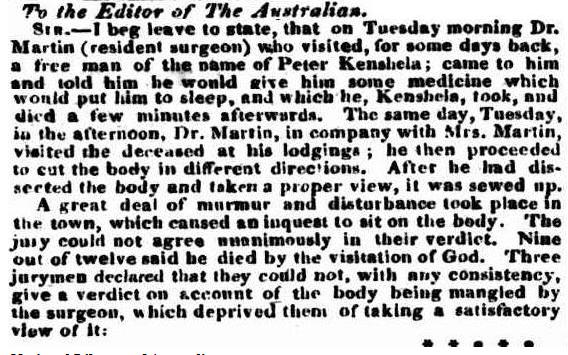
Growing public opposition to "Dr Martin"1827 appears to have been a pivotal year for Robert MARTIN. He had a growing medical practitioner business in Parramatta (noting that there were very few other doctors in the region outside of Sydney town), and he was being well paid for his work. However not all were enamoured by Mr MARTIN; a local baker, Mr James ELDER, sat on a coroner's jury on the death of a Jane BOAR. Mr ELDER was suspicious that MARTIN had disected the body an hour after death, before the Coroner had examined the body. Although medical opinion supported Mr MARTIN, Mr ELDER opined in a letter to the editor that the body might have been in a state of "suspended animation" and might have recovered "animation" but for MARTIN's disection. A war of letters to the editor followed: other parties also opposed MARTIN's early disection in this and other cases, on one occasion Martin was assisted by "Mrs MARTIN".
And so it went on for some time in the local papers. After mid-1827 nothing more is heard about Mr Robert Montgomery Martin in the Sydney papers. The next we know about him he is in India. Mr MARTIN in Calcutta, IndiaWe do not know exactly when Robert and Jane MARTIN set sail from Sydney. The local newspapers, surprisingly, do not appear to have recorded this event. Perhaps it was the increasing pressure from the disaffected people of Parramatta, or perhaps Robert MARTIN had greater ambitions. Probably in late 1827, but certainly by early 1828, Robert MARTIN and his wife Francis Jane (KEITH) had left Australia. A Surgeon in Calcutta and a fortuitious meetingAfter his arrival in Calcutta MARTIN again set himself up as a surgeon, but a fortuitious meeting outside his surgery changed his life (and could be said to have changed the course of history - or at least how we perceive it). The story is told in a biography of the prominent Indian entrepreneur Dwalkanath Tagore.
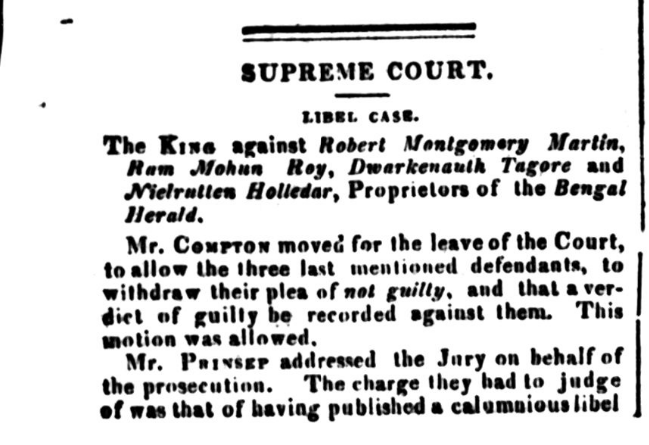
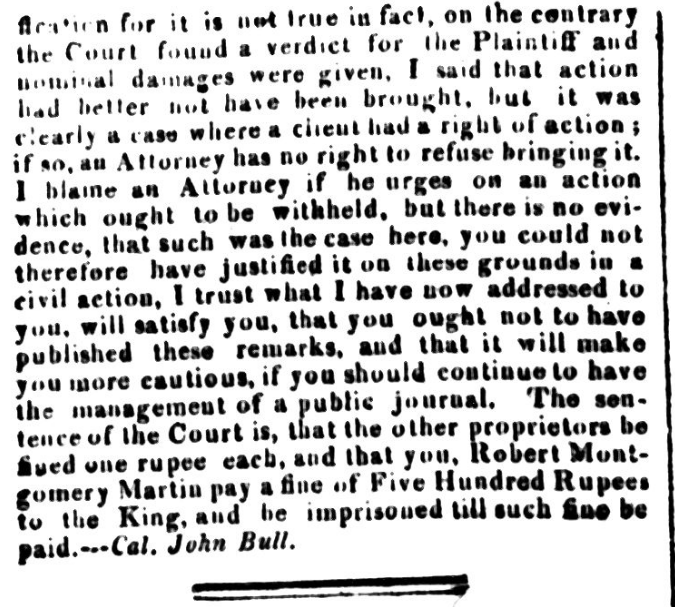
Becoming a newspaper editorAs we now know, MARTIN's meeting with Dwarkanath TAGORE led to his introduction to other prominent Indian men, the most well-known being Raja Ram Mohan Roy. Appareently Tagore, Roy and others were keen to establish local language newspapers and MARTIN was keen to become a journalist. Thus the Bengal Herald was established with MARTIN as editor. The newspaper was published from May to December 1829. Unfortunately for Tagore and Roy who were highly regarded in Calcutta, Martin penned an editorial highly critical of Mr WIGHT, a local attorney, somehow referencing an infamous case in Australia known as the "Sudds and Thompson Affair". In its broader context this case involved press freedom. However, Mr Wight took offence and filed for libel. MARTIN initially pleaded not guilty and was prepared to argue the case, but TAGORE, ROY and the others were concerned about their reputations in Calcutta, so all changed their pleas to guilty. After a long legal argument the jury agreed and fined the proprietors one Rupee each, but fined MARTIN five hundred rupees. Mr and Mrs MARTIN left for Britain and Ireland soon after.
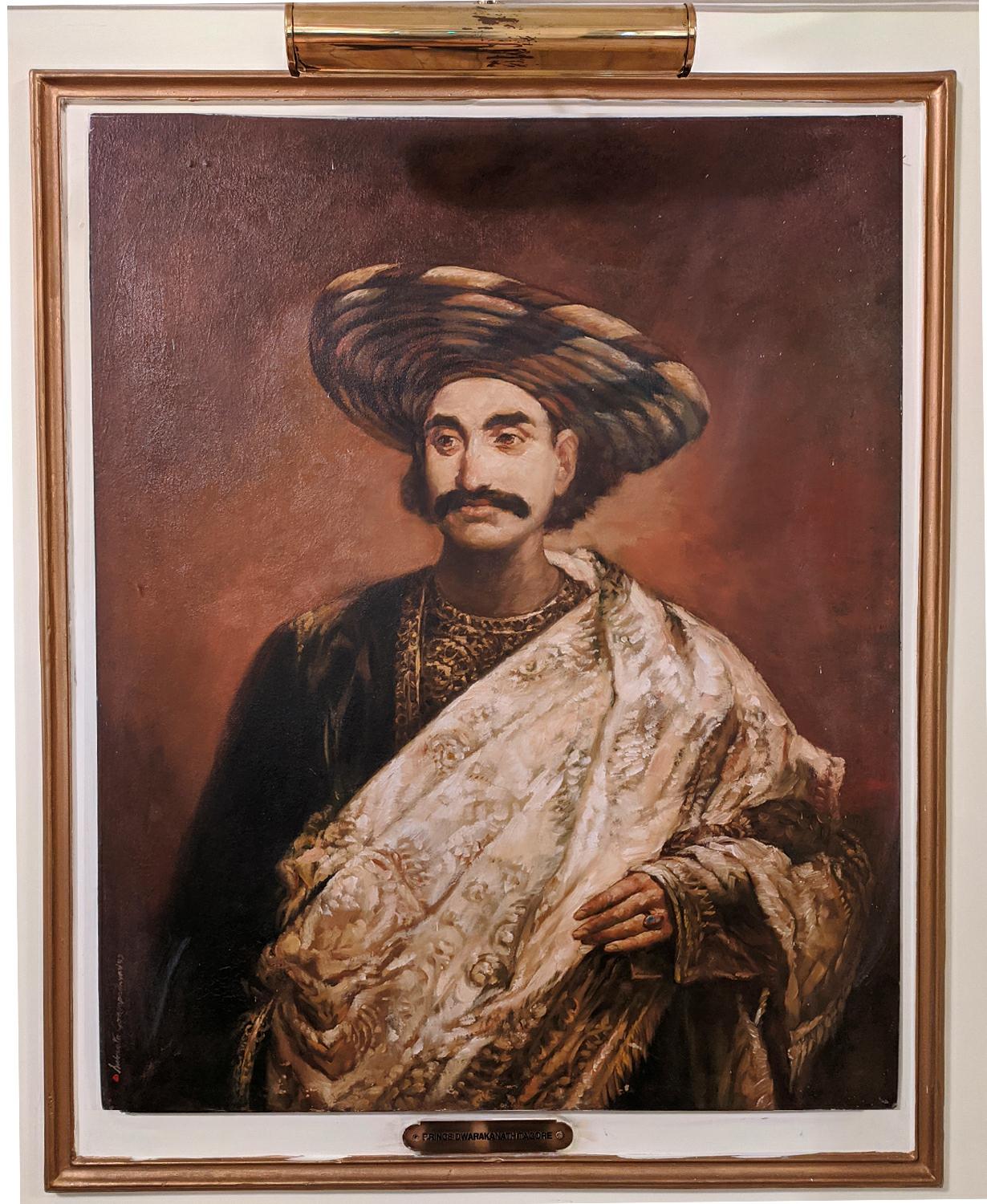
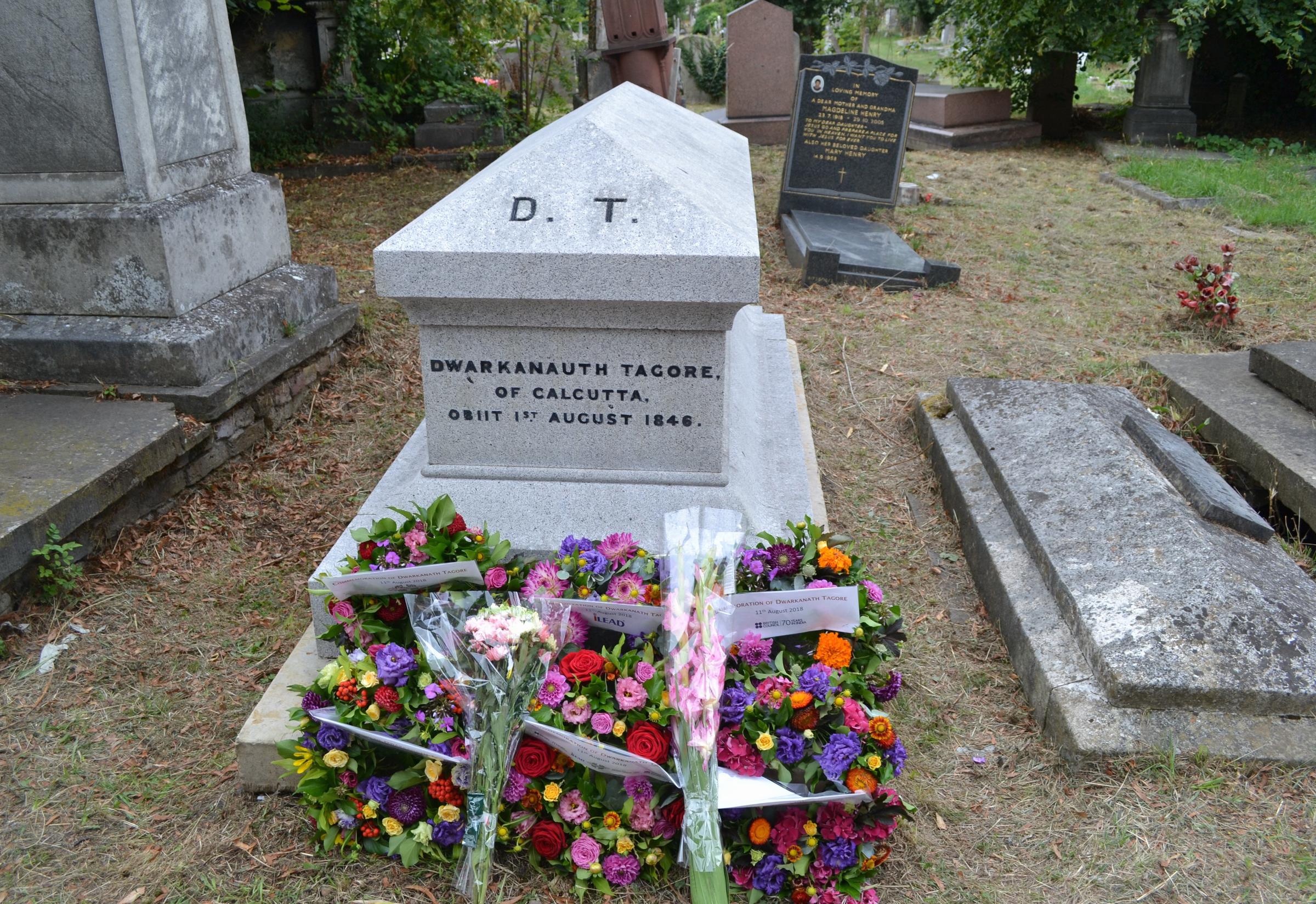
A note on TAGORE and ROYThese two gentlemen figure prominently in Indian history. There has been several biographies written about them. Dwarkanath Tagore (1794–1846), popularly known as Prince Dwarkanath Tagore, was a western-educated Bengali Brahmin and a civic leader of Calcutta who played a pioneering role in setting up a string of commercial ventures — banking, insurance, and shipping companies — in partnership with British traders. Dwarakanath Tagore died "at the peak of his fortune" on the evening of 1 August 1846 at the St. George's Hotel, Albemarle St, London (now part of Brown's Hotel). He had taken ill suddenly on 30 June and was attended by his physician Dr Martin. It is possible that this was Montgomery MARTIN as he was back in London from Hong Kong by this time.
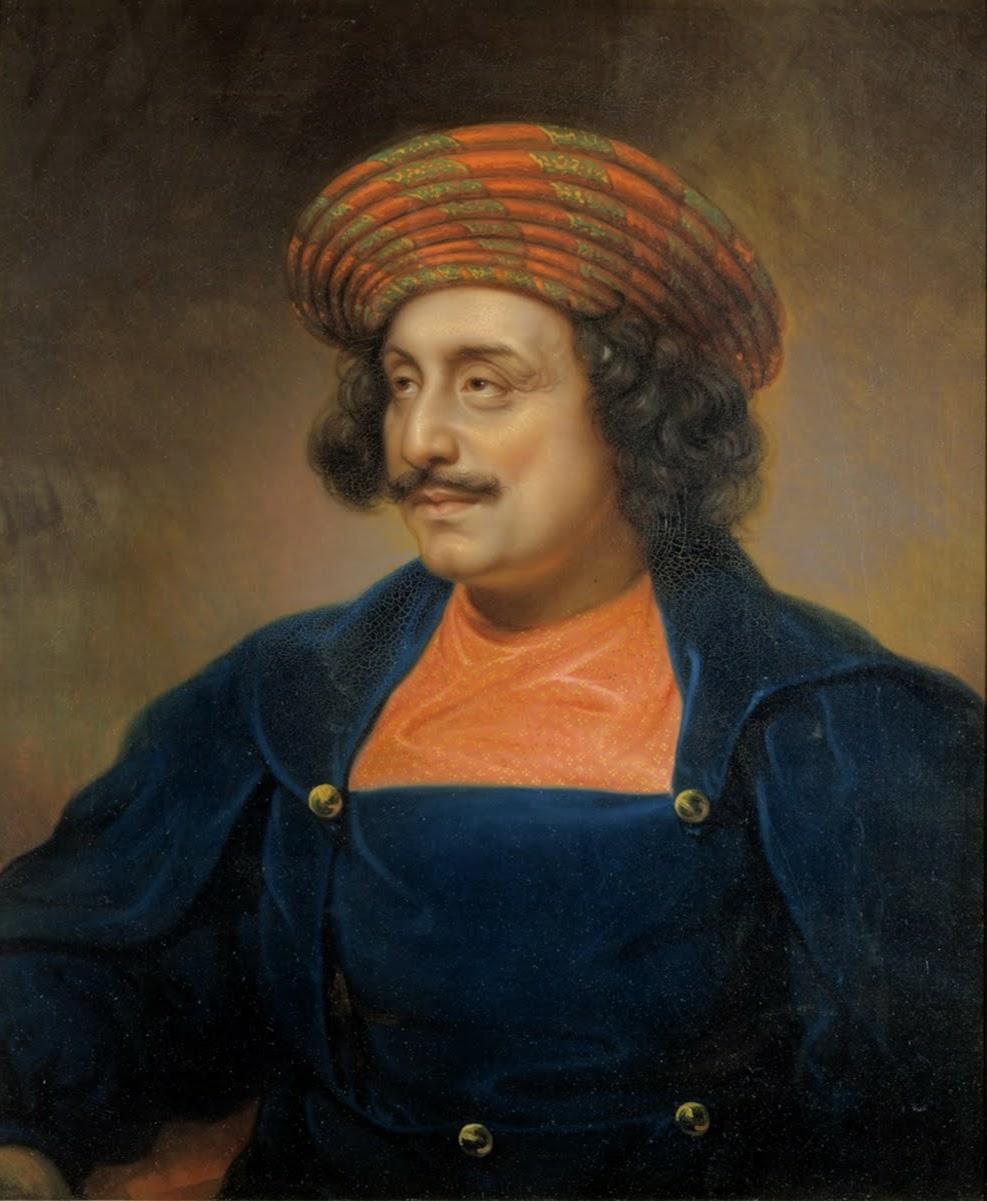
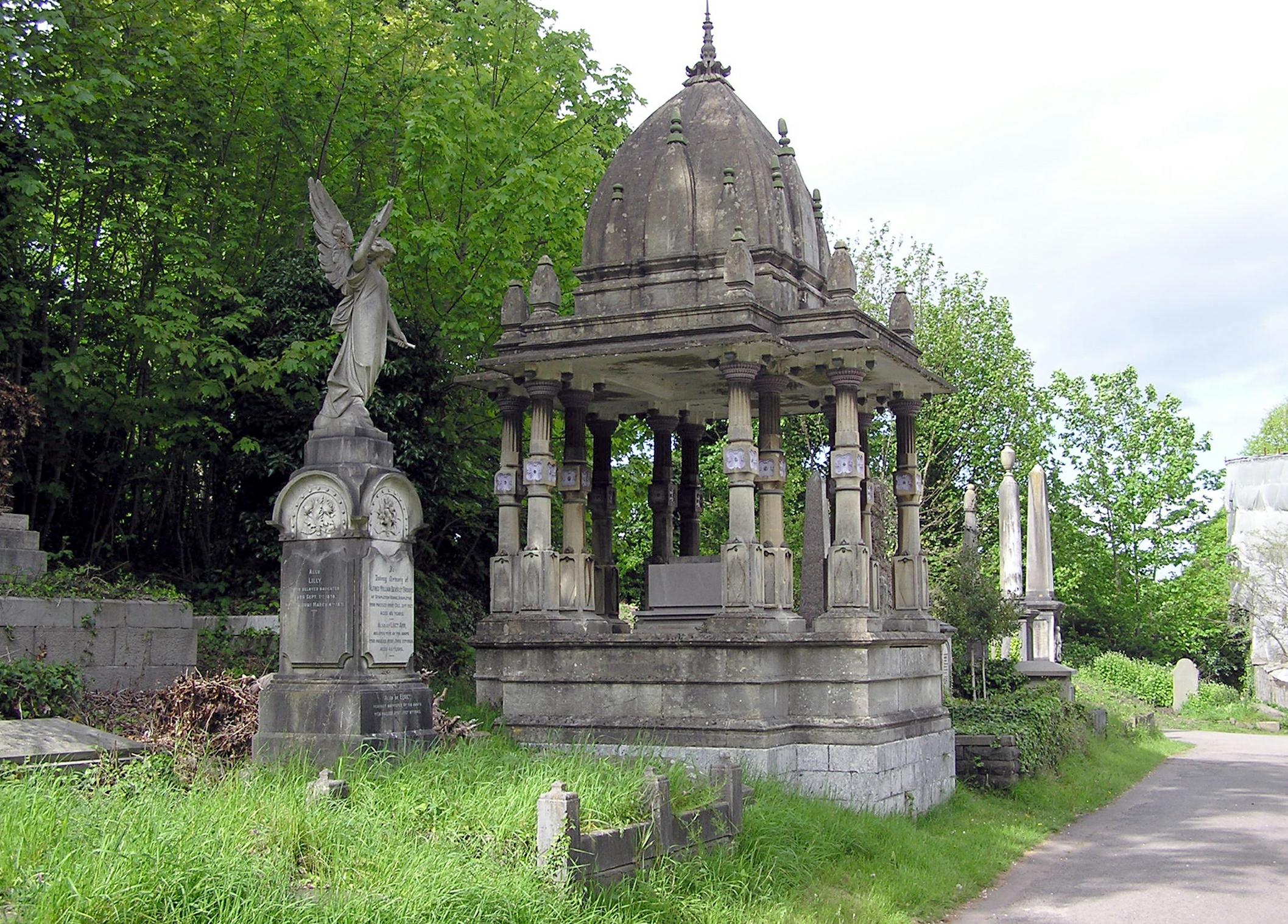
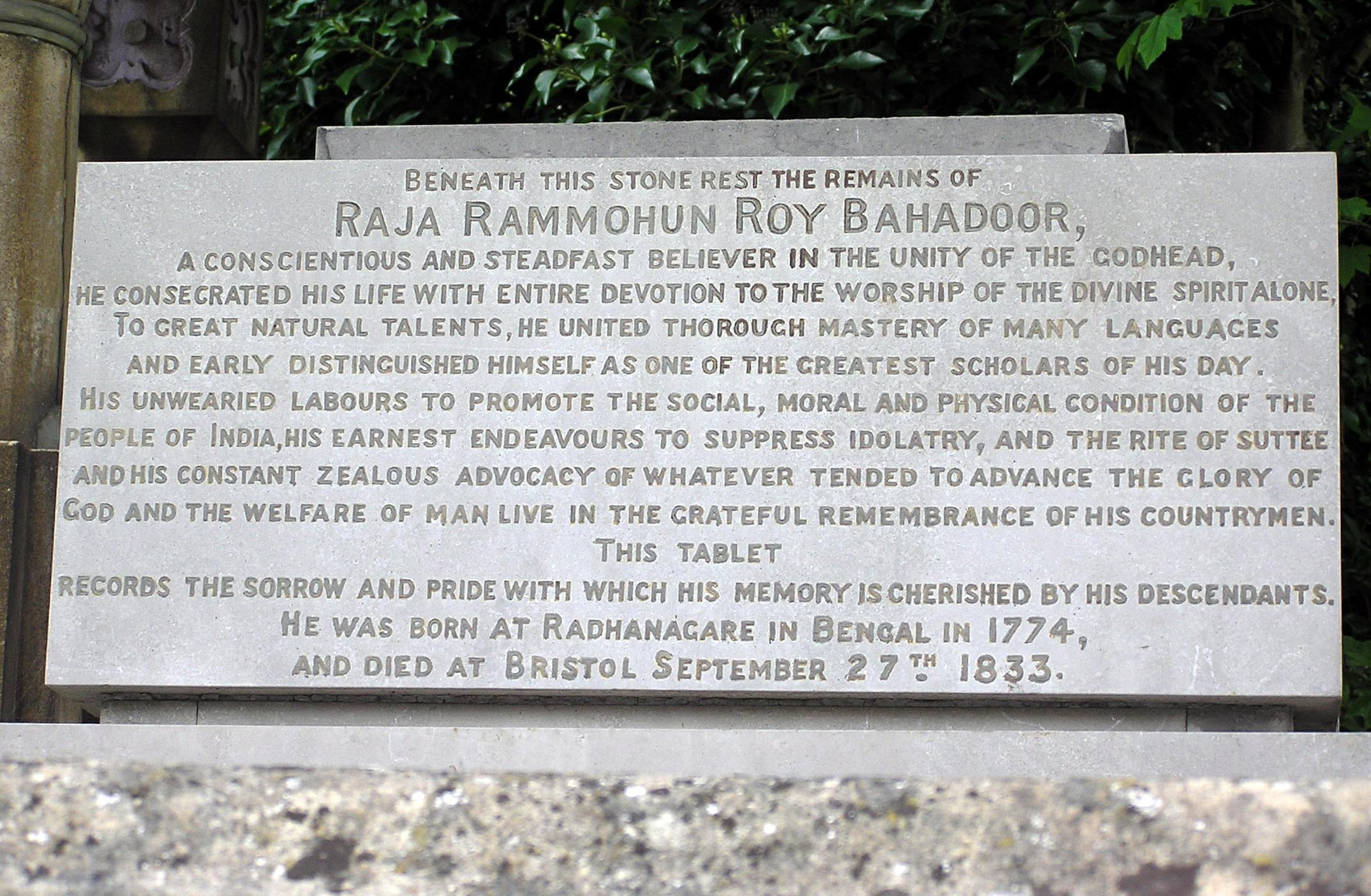
Rajah Ram Mohan Roy (1772–1833) was an Indian reformer and writer who was one of the founders of the Brahmo Sabha in 1828, the precursor of the Brahmo Samaj, a socio-religious reform movement in the Indian subcontinent. He has been dubbed the "Father of Indian Renaissance." He was given the title of Raja by Mughal emperor Akbar II (r. 1806–1837) prior to his travelling to Britain. His influence was apparent in the fields of politics, public administration, education and religion. He was known for his efforts to abolish the practices of sati and child marriage. He travelled to Britain in 1830 and again in 1833. Whilst in Bristol he caught Meningitis and died on 18 OCtober 1833. His body was later re-interred at Arnos Vale Cemetery, Brislington (near Bristol) and an elaborate chhatri was raised above the vault - paid for by Dwarkanath Tagore.
A Sequel in SydneyBut that was not the end of the story regarding MARTIN's involvement in the Indian press. Information about the court case had been received in Sydney, whereupon the Editor of The Sydney Gazette published a highly inflammatory editorial about MARTIN, recenly departed from Parramatta.
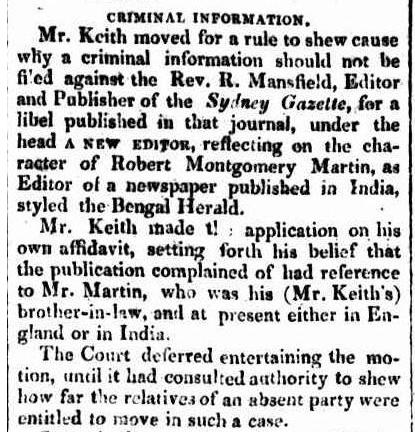
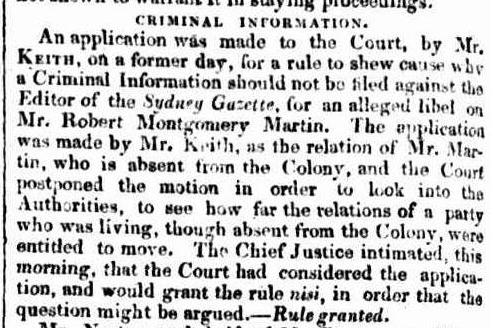
It is likely that MARTIN was unaware of this editorial, but his brother-in-law took exception. Edward Joseph KEITH, an attorney in Sydney applied to the Supreme Court for permission to lay a claim of libel first as a criminal case, then changed to a civil case. After due consideration the Court allowed Keith to proceed. The jury found in MARTIN's favour and Dr Mansfield (and the newspaper) was fined £50. Presumably Edward KEITH received the payment to cover his costs. There was also a sequal court case whereby Mansfield's lawyers argued for costs on account of the additional work they incurred when the case was changed from criminal to civil. The courts denied the application.
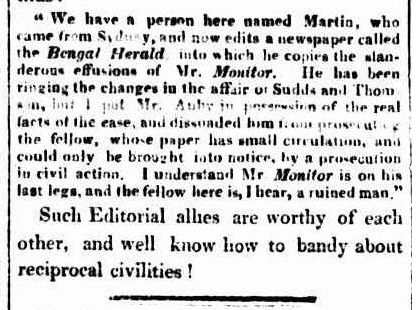
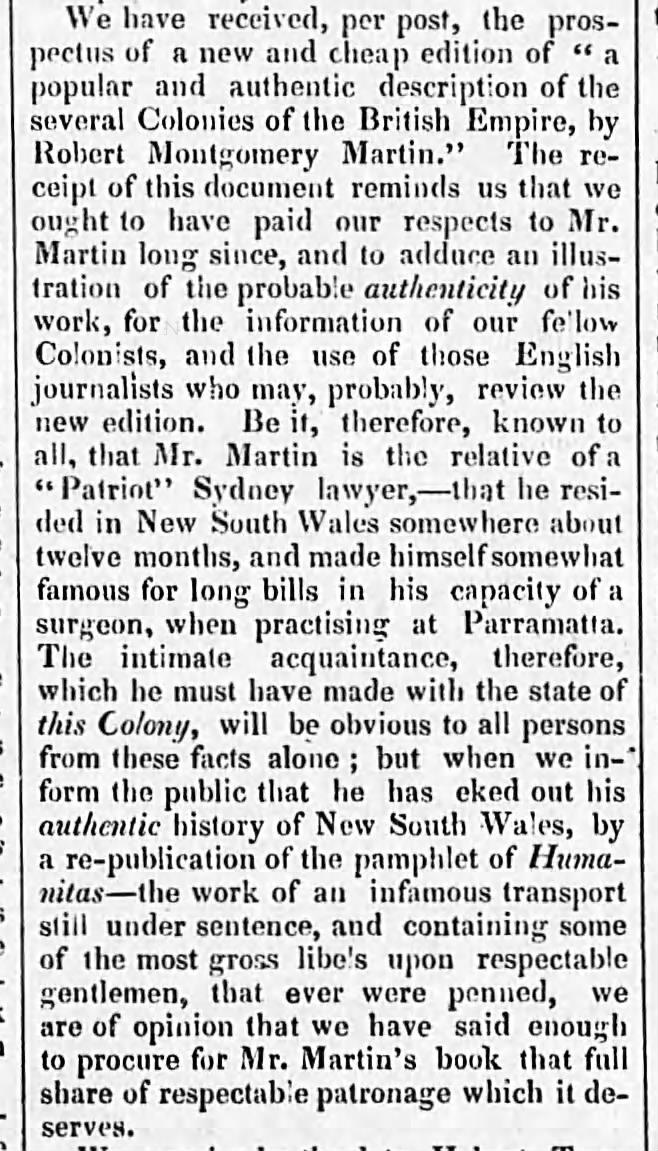
Despite losing the libel case in court, the Sydney newspaper editors still could put in a good work for Mr Martin. A few years later, after he was back in London and engaged in a prolific publishing frensy, the editors of the Sydney Morning Herald (no less) had this to say about Mr Martin, and his equally well-known brother-in-law Edward Joseph KEITH.
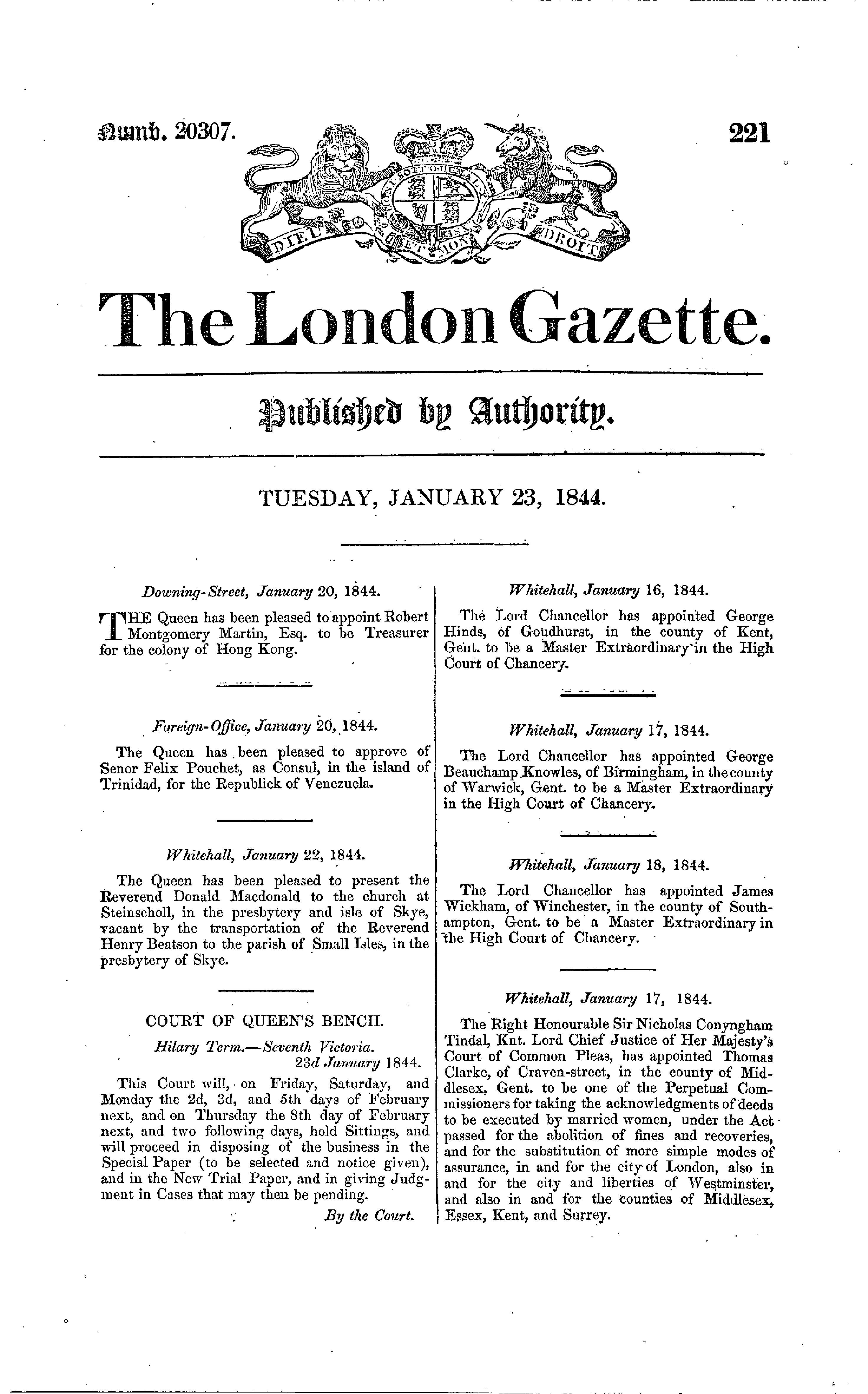
Mr and Mrs MARTIN reside in LondonAfter the Parramatta and Calcutta fiascos, Mr and Mrs MARTIN returned to England, probably late in 1829. Robert MARTIN now turned his hand to writing, publishing a long list of highly acclaimed titles concerned with the British Empire. Although MARTIN was seriously short of money, it appears he hosted many people in his home in London at 141 The Strand (close to Somerset House). One of these people was a Dr SHERIDAN. Appointment as Treasurer for the colony of Hong KongOn 20 January 1844 the Queen appointed Robert Montgomery MARTIN to be Treasurer of Hong Kong. This was an important post; it was well paid and enabled MARTIN to enhance his understaning of the Far East. However, his tenure was short-lived as he was back in London in early 1846. As we will see from later events, he was not accompanied by his wife Frances Jane - she had already eloped with Dr SHERIDAN.
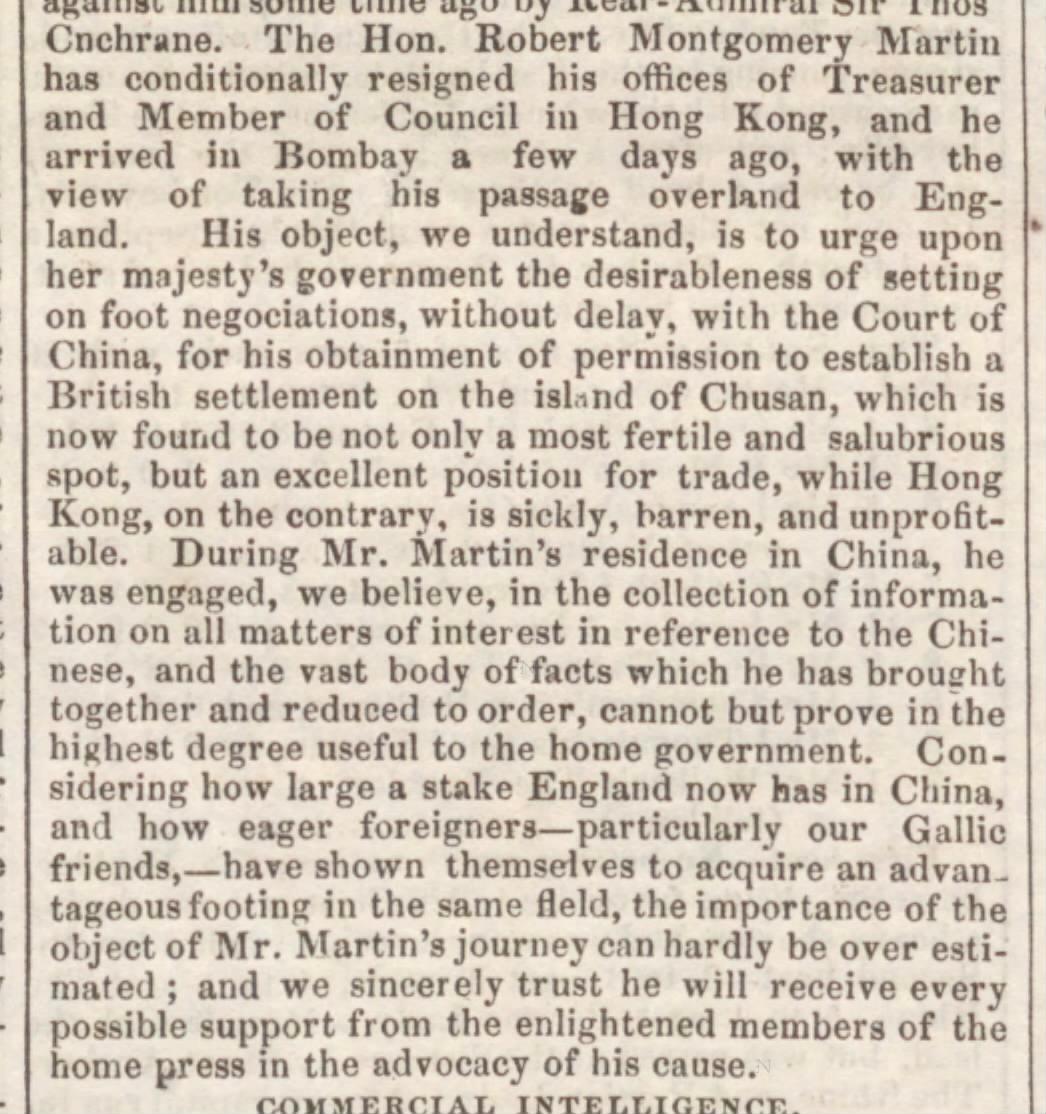
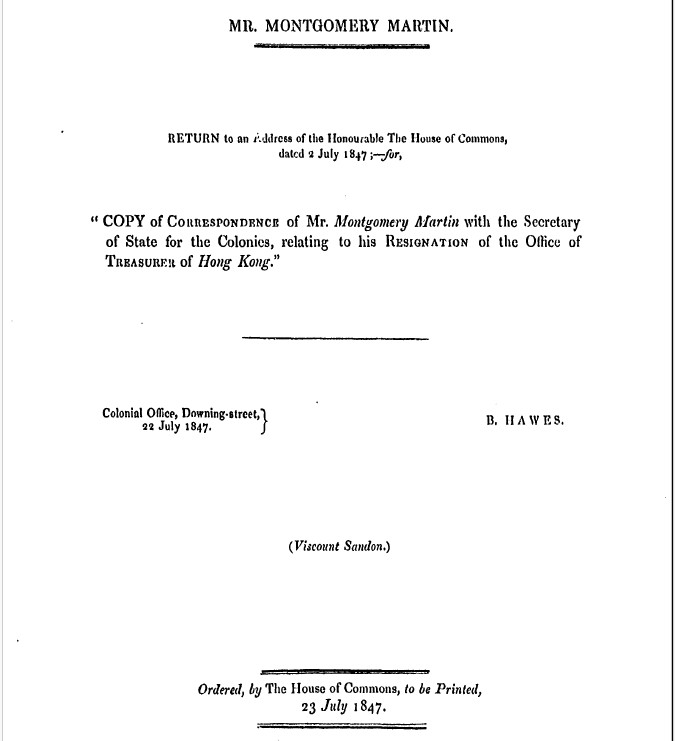
Abandonment of Hong KongIt would appear that MARTIN held firm views on China and the future of the British colony of Hong Kong. He petitioned the Colonial Secretary (Lord STANLEY) and Parliament but to no avail. In December 1844 he wrote to Lord Stanley requesting to be relieved of his position but this was not acted upon until July 1845. He left Hong Kong and returned to Britain but was deemed to have abandoned Hong Kong and thus resigned. There is voluminous correspondence on this matter held by the House of Commons, published in 1847. The letters stretch from July 1844 to June 1847. It is curious to note that the last letters overlap with anothe matter concerning Montgomery MARTIN that was working its way through the House of Lords and later the house of Commons.
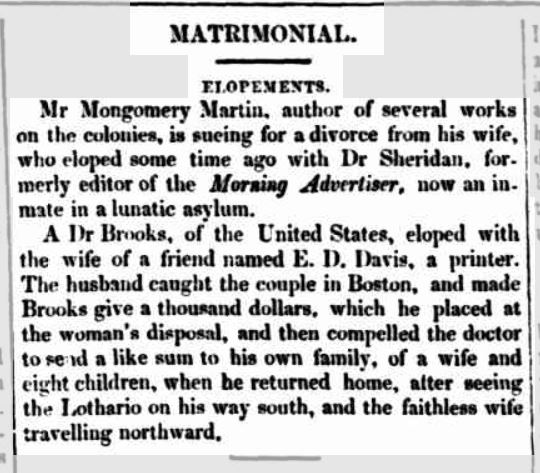
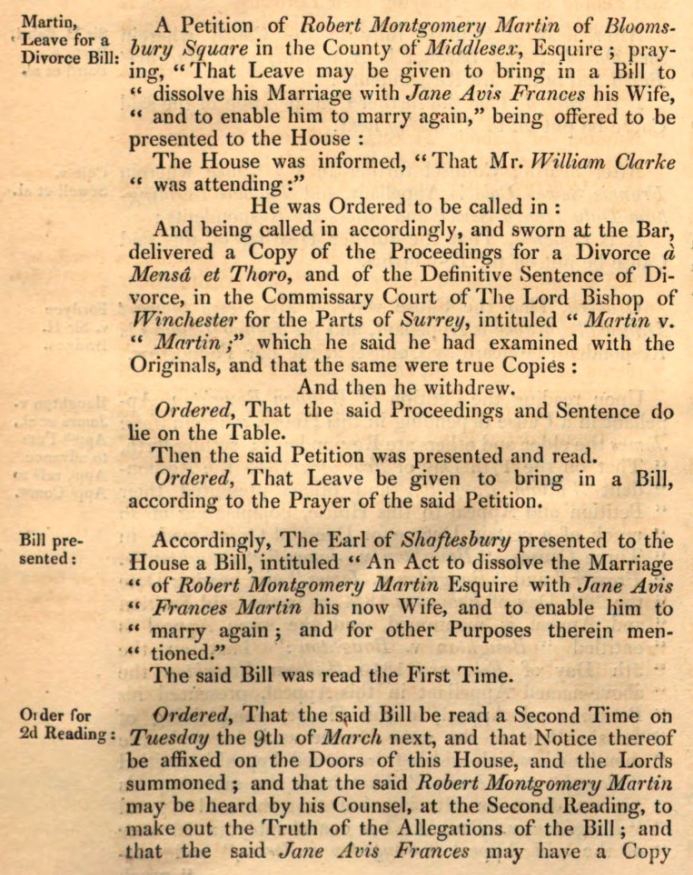
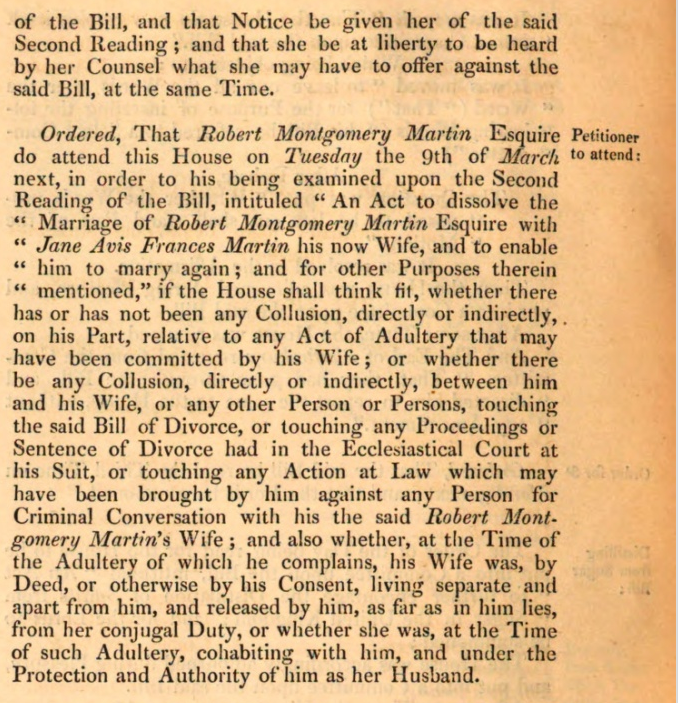
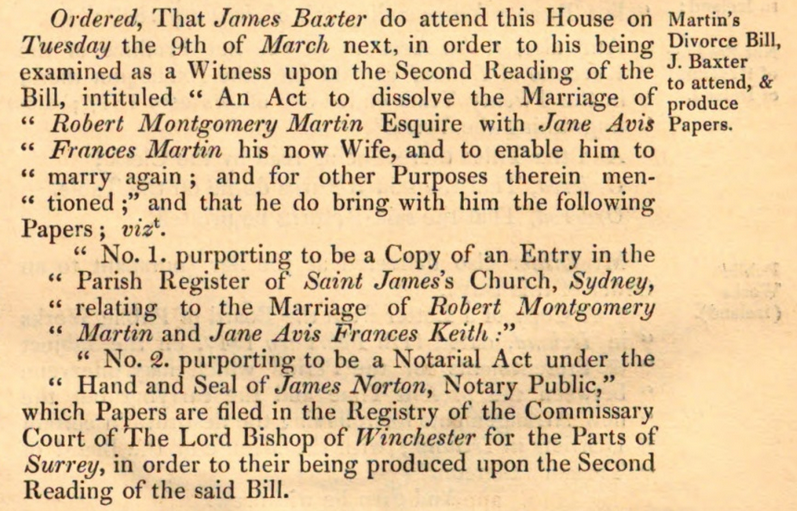
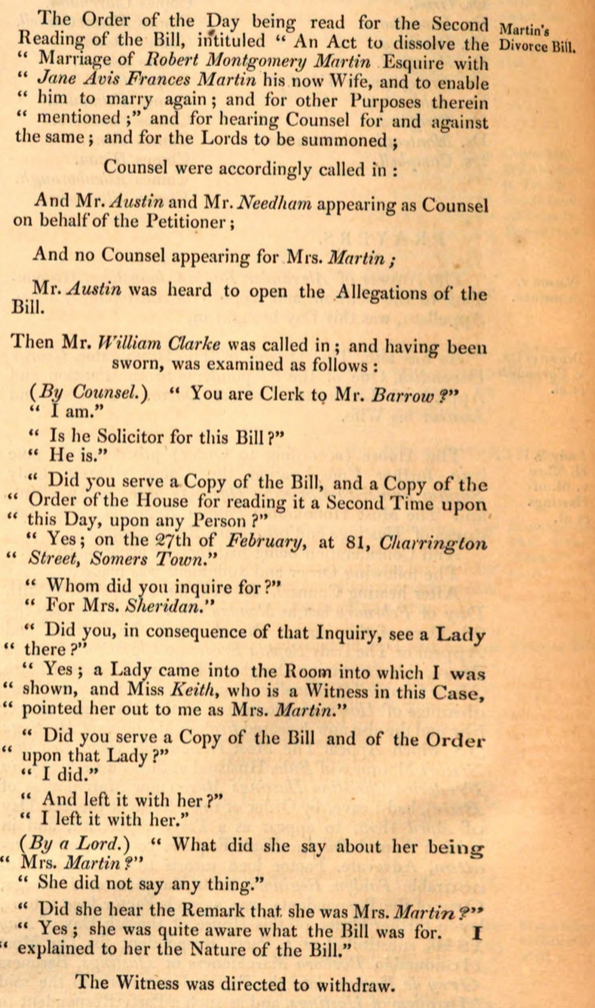
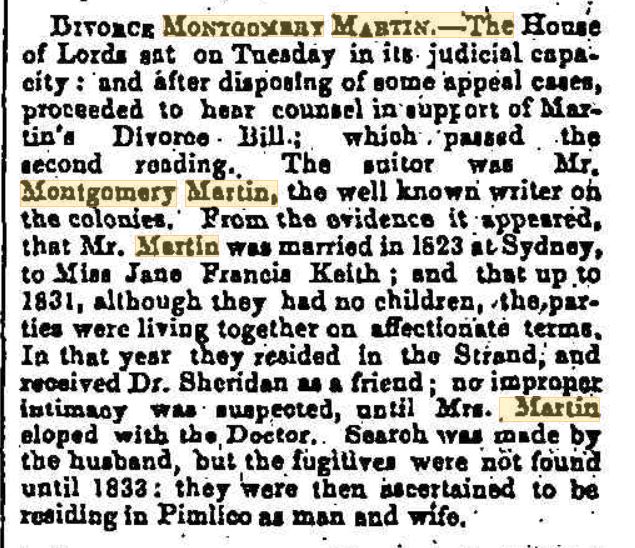
1847 was an eventful year for Robert MARTINAfter his return from Hong Kong in 1846, and having unsuccessfully petitioned Parliament on several issues, MARTIN tried other endeavours. He features in several nespaper advertisements as being a "Steward" for the Royal Orthopaedic Hospital in London. In July he was nominated as a liberal candidate for the parliamentary seat of Bridport in Devon (he lost out.) But his most important event played out in the House of Lords, followed by the House of Commons. Divorce by way of Private ActIn 1847 Britain it was difficult to secure a divorce, unless you had money and power. MARTIN had neither, but he did have friends who appear to have regarded him kindly. So it was that newspapers in England and Australia reported that Robert Montgomery Martin was seeking a divorce from Jane Frances Avice (KEITH) by way of a private Act of Parliament.
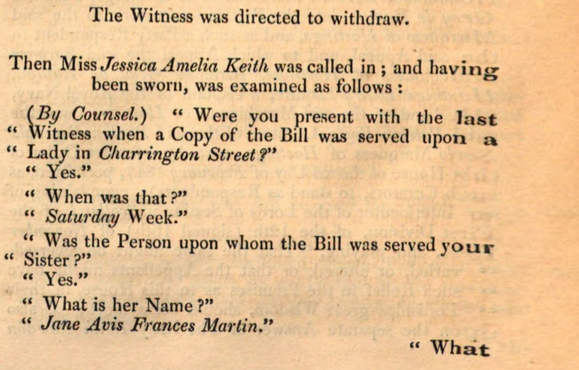
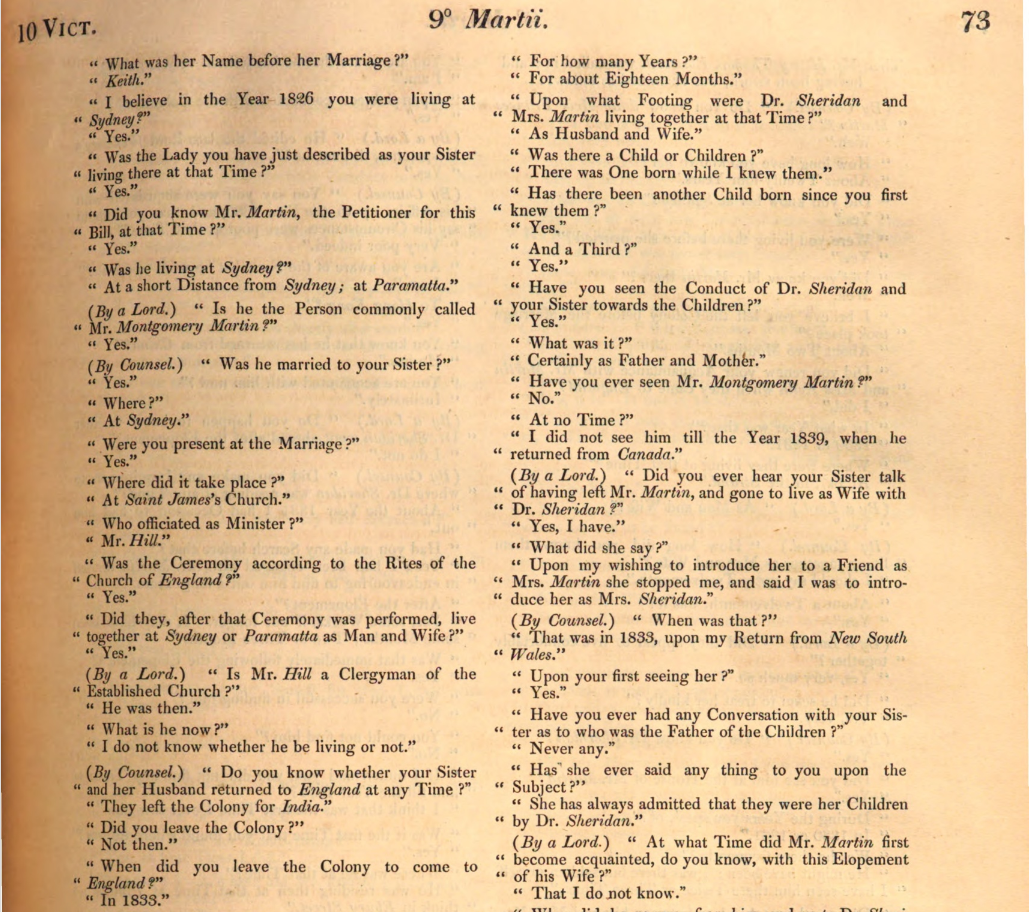
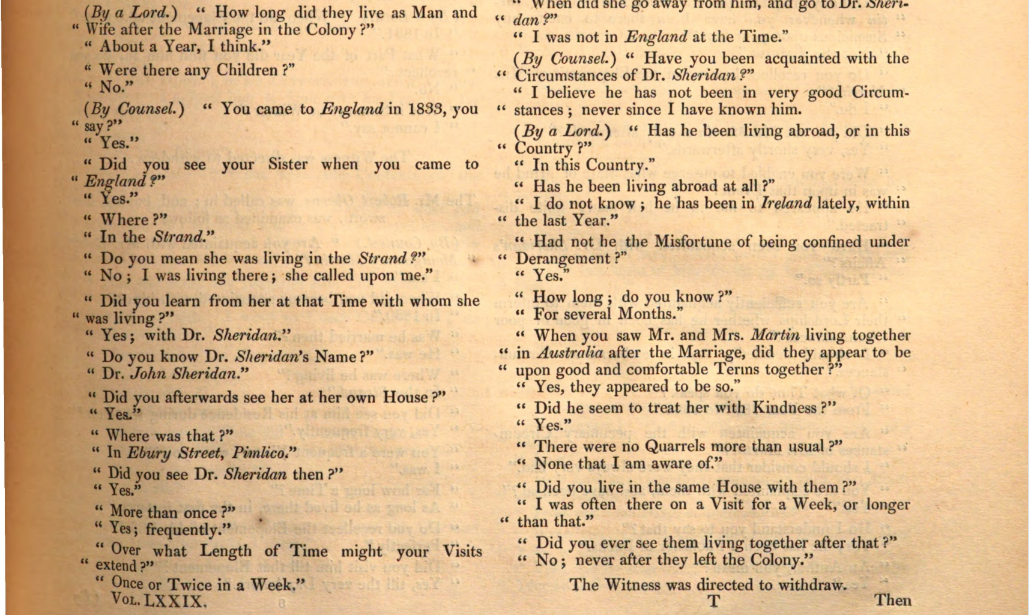
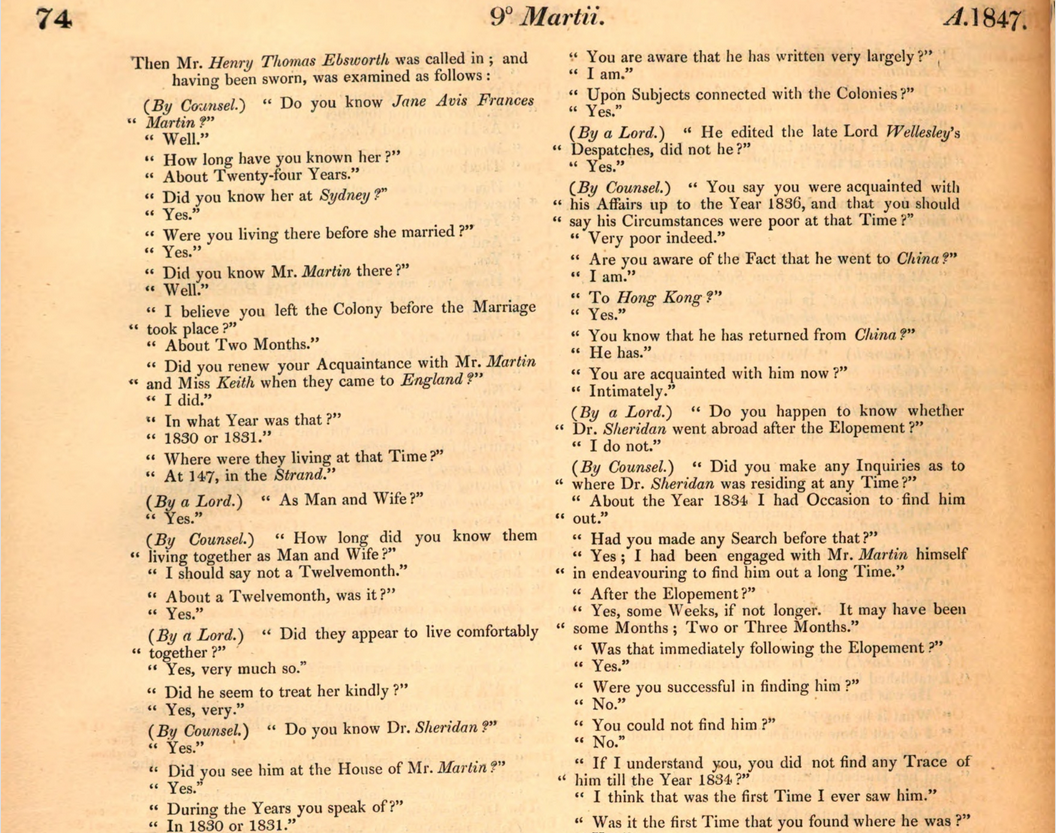
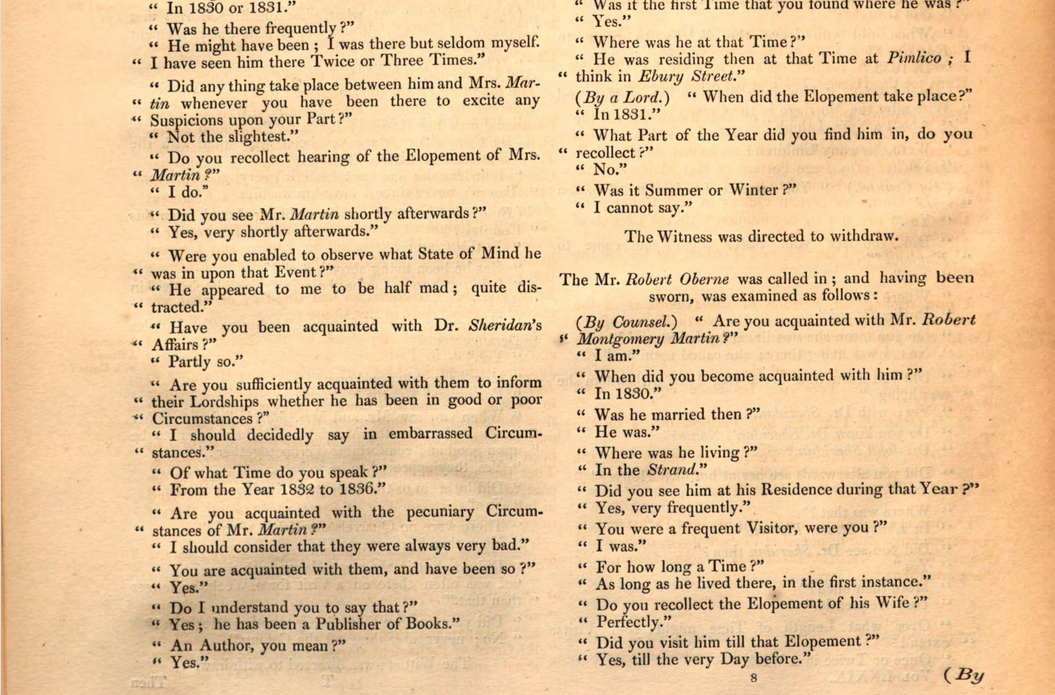
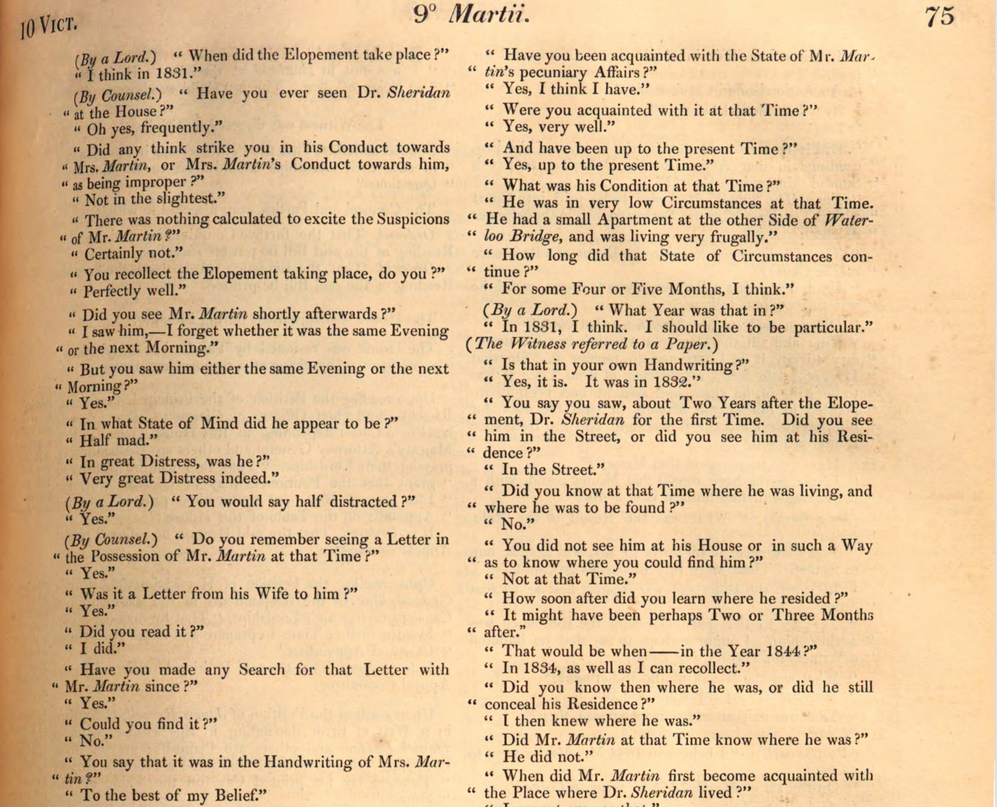
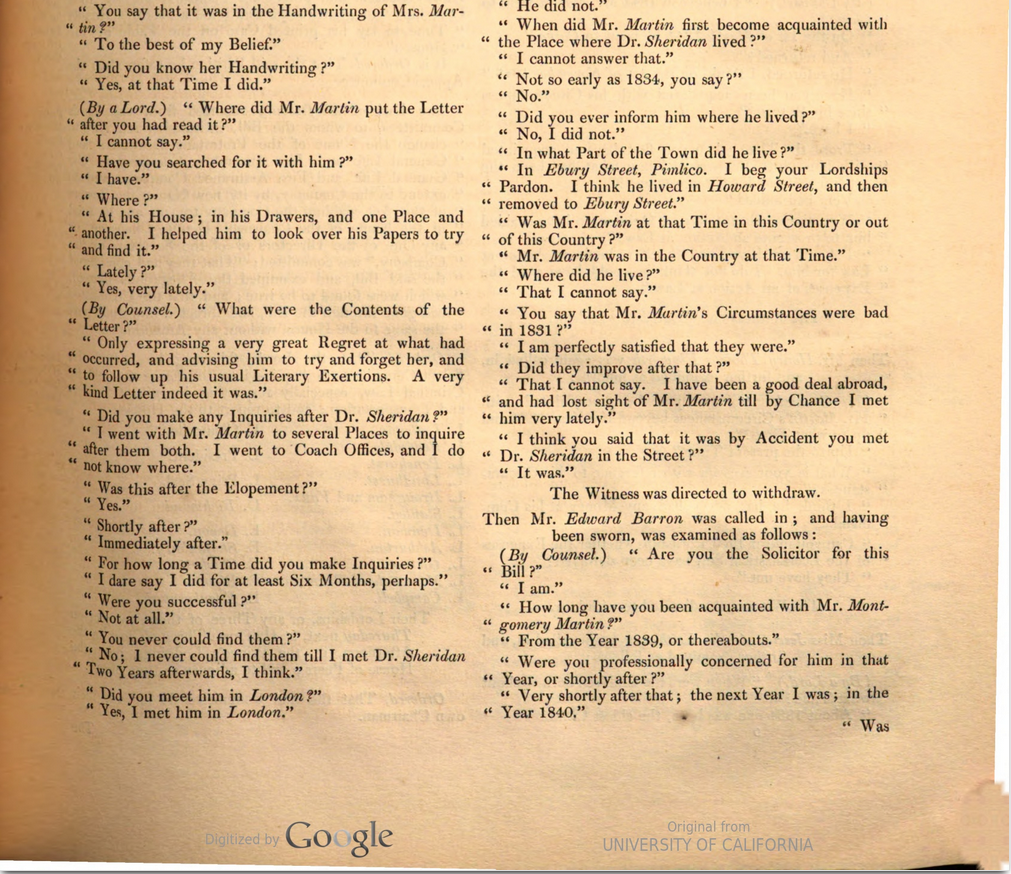
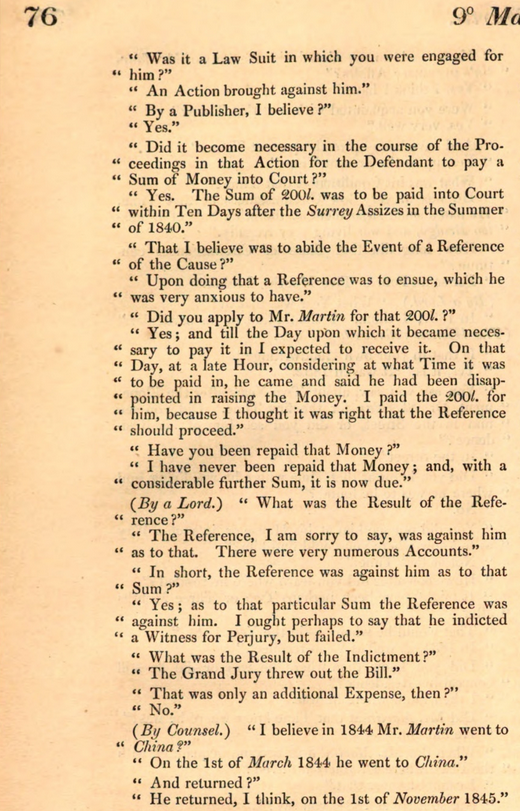
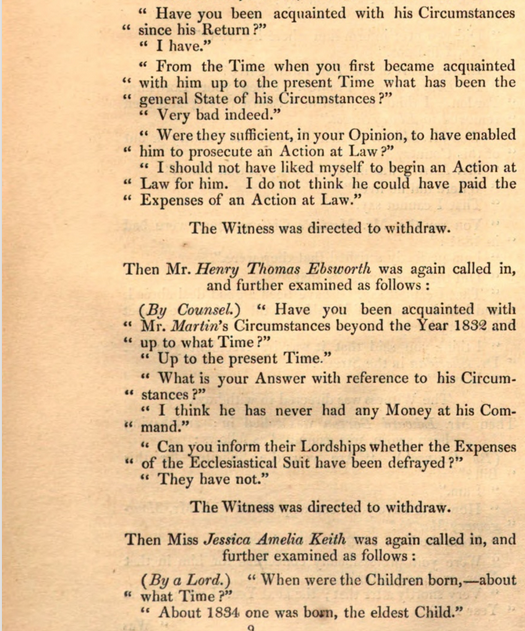
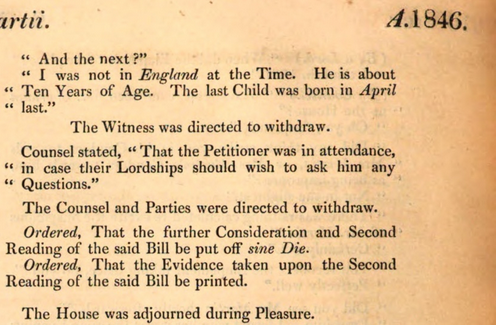
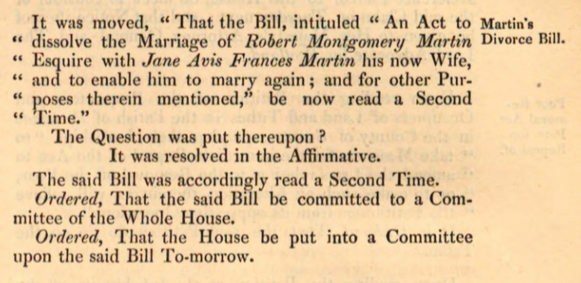
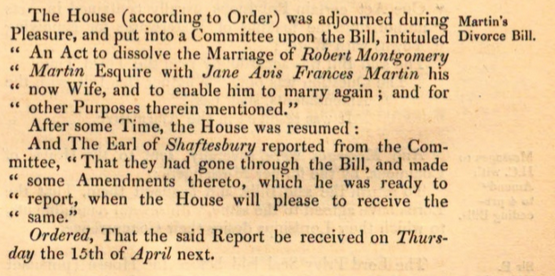
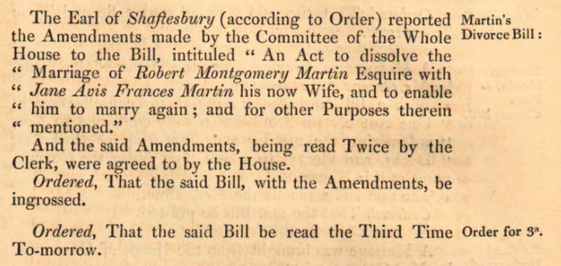
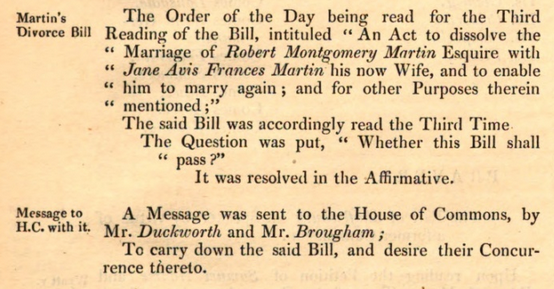
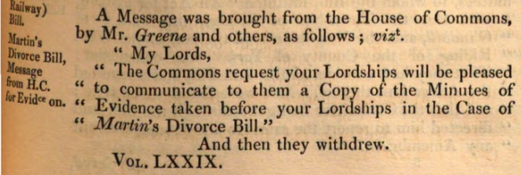
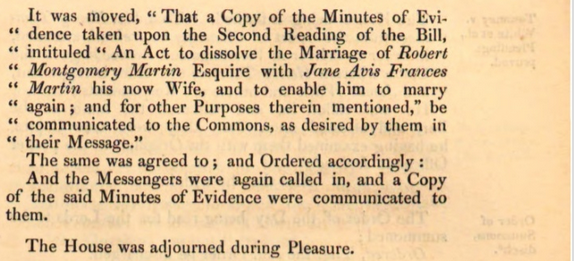
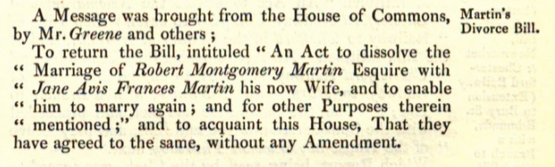
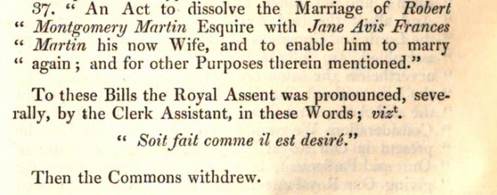
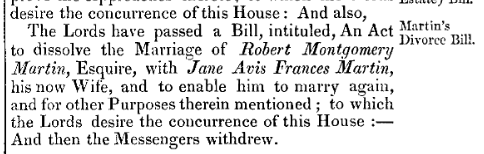
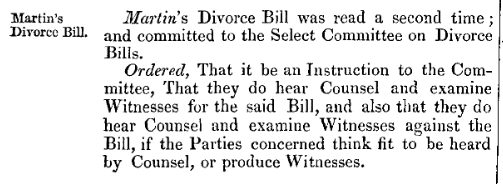
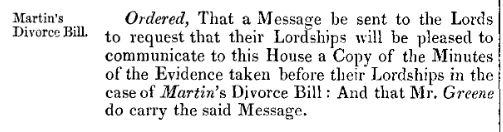
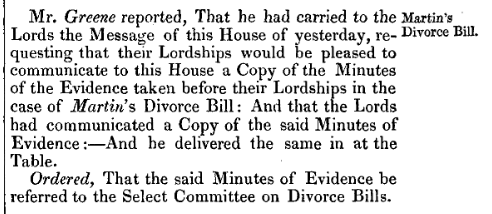
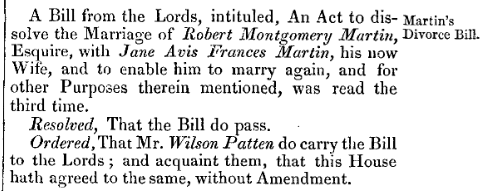
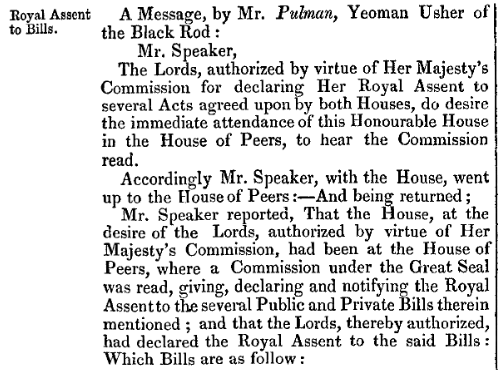
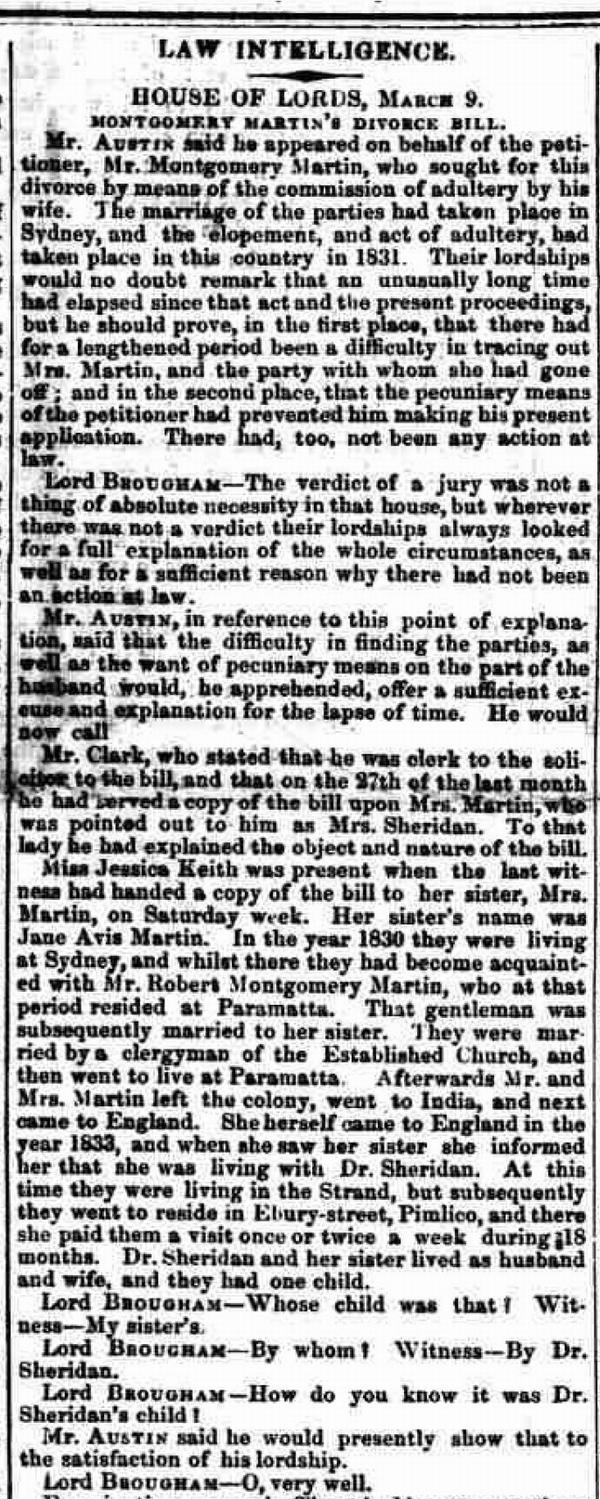
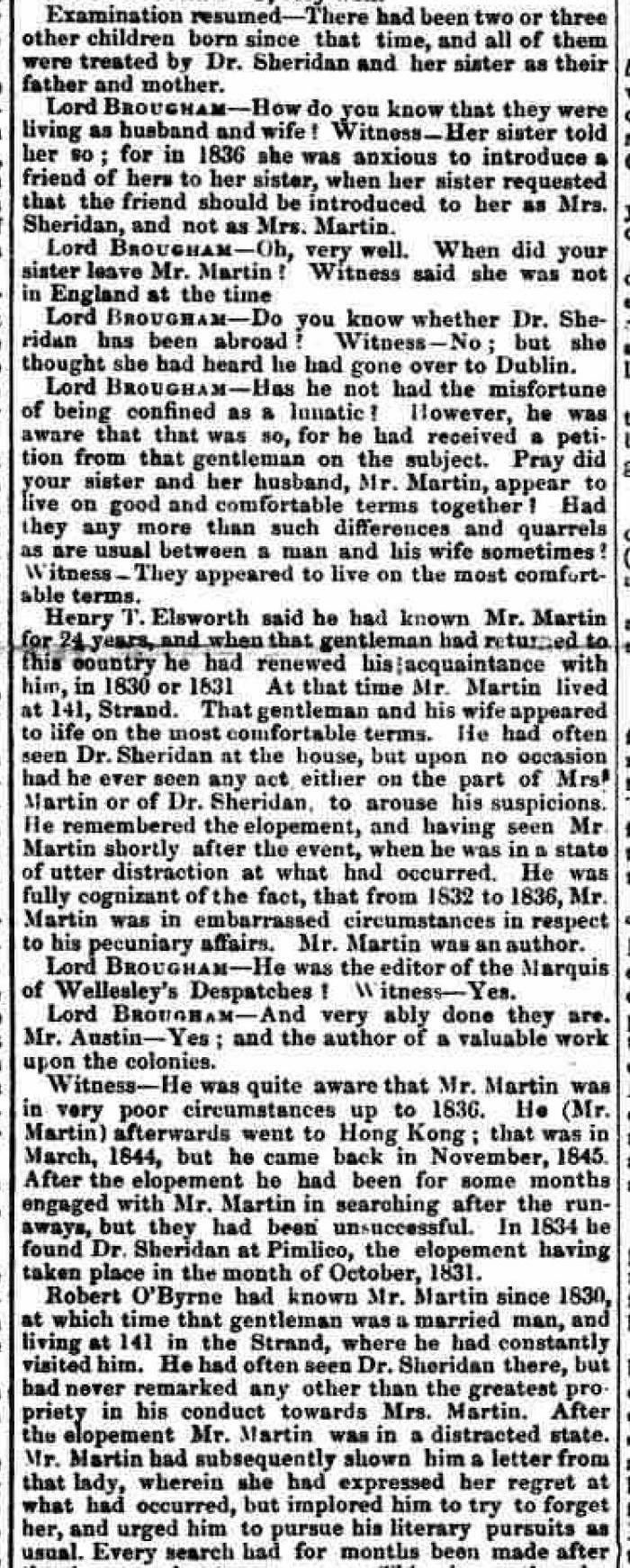
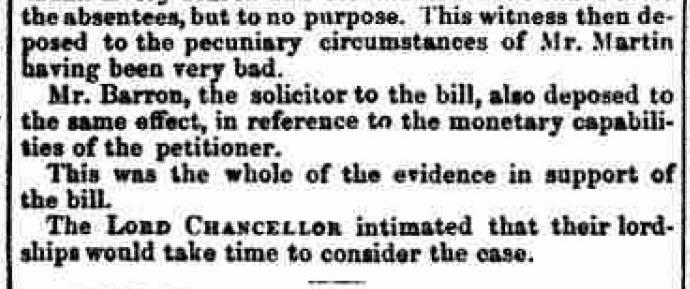
Unusually, as Mr Martin was not a wealthy man, the divorce case proceeded by way of a private Bill through the House of Lords. Clearly Martin had friends of influence who were able to pursuade the Lords to hear the case. Martin had befriended the Marquess Wellesley, whose correspondence he was editing and he served as a virtual private secretary tot he second Duke of Wellington. His case was taken to the Lords by Lord Shaftesbury. The divorce was necessitated by Martin's desire to marry Miss Eliza BARRON, the niece of Martin's solicitor who headed the divorce case. Martin's Divorce Bill was passed by the House of Lords and then sent to the House of Commons for their consideration. Its passage through the Lords and then the Commons can be traced thus, from introduction on 22 February 1847 to Royal Assent on 8 June 1847 [Private Act 10 & 11 Vict. c37]. As the evidence provided to the House of Lords is instructive to the lives of both Robert and Frances Jane, it is provided here. MARTIN was now free to marry Eliza BARRON. Also, Frances Jane Avice KEITH was free to continue her life with John SHERIDAN - but they never married. Passage through the House of Lords
Passage of the BIll through the House of Commons
The case was widely reported in the newspapers, especially in Australia. The Sydney Herald Friday 2 July 1847 p.4 published this report:
A full report of the proceedings was published in The Globe, London, Wednesday, March 10, 1847:
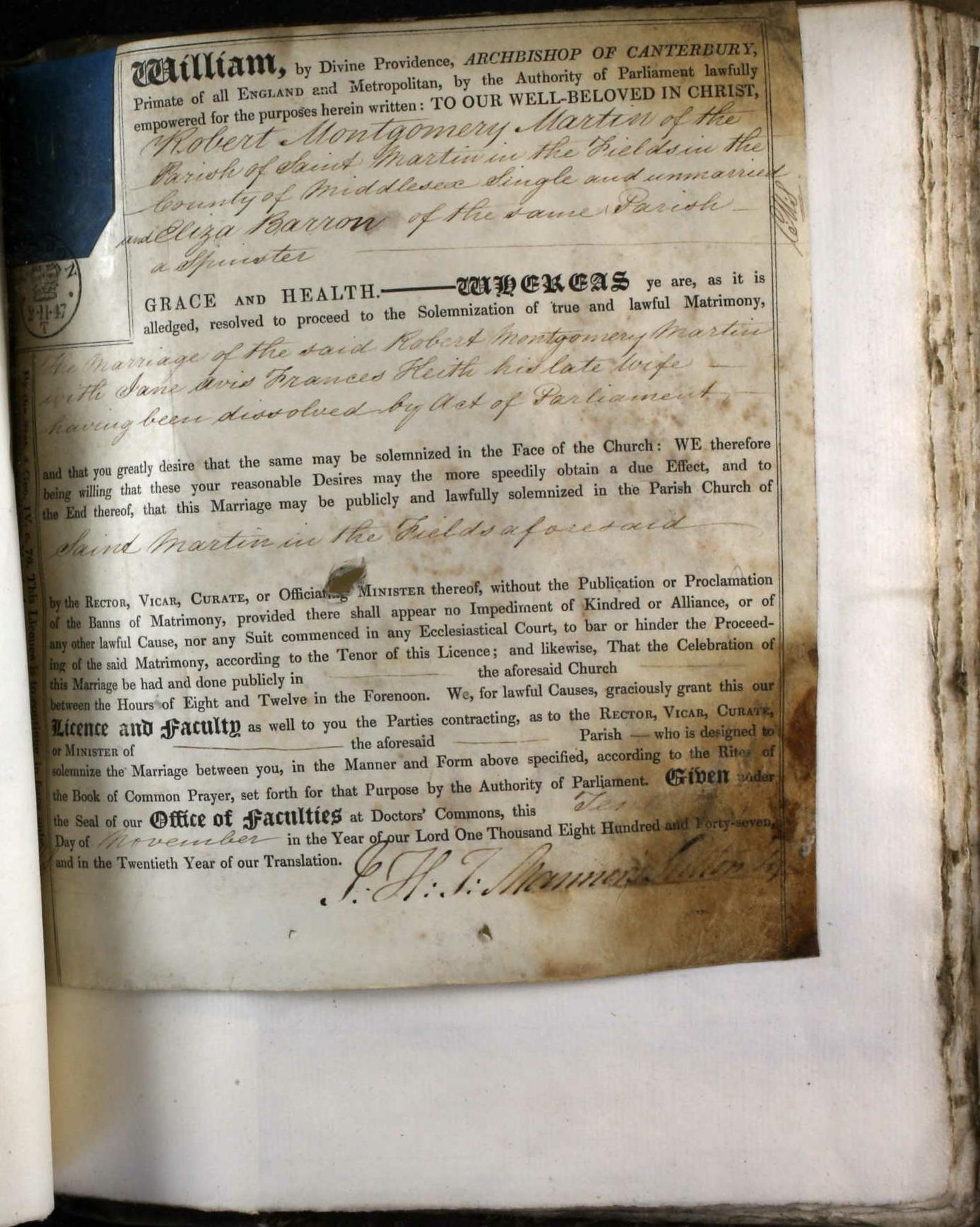
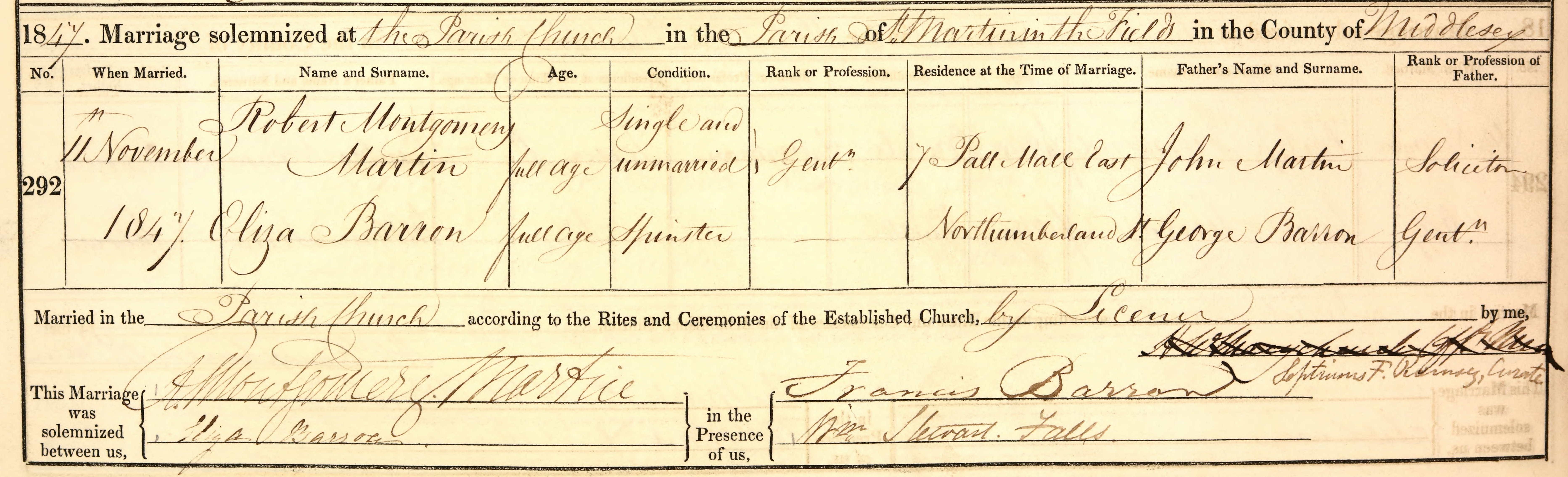
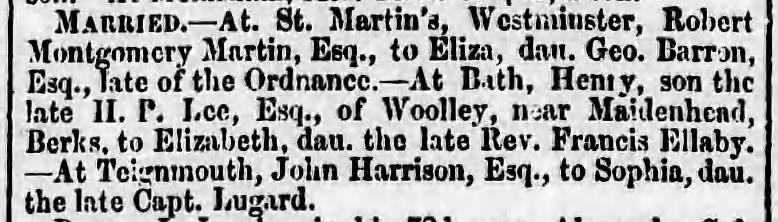
Thus it confirms that Jane travelled with Robert Montgomery, first to India and then on to England, where they lived in The Strand. They met John Sheridan, perhaps as both men purported to have medical qualifications. Sheridan resided with them for a while but on 31 October 1831 he and Frances Jane eloped, to be found in Pimlico, London in 1833. Note that in Jessica's testimony (Jane's younger sister) she arrived back in London in 1833 but had no difficulty finding her sister. In the 1841 census she was living with her sister-in-law Ann KEITH in Camden Road, which is close to Clerkenwell where her sister Jane Frances was living. Marriage to Eliza BARRONMARTIN engaged a solicitor to shepherd his divorce bill through the House of Lords - a Mr BARRON. BARRON was the guardian for his neice, Eliza BARRON, so it was no surprise that on 11 November 1847, a few months after his divorce received the Royal Assent, Robert Montgomery MARTIN, a "single and unmarried man" (i.e. divorced) married by licence Eliza BARRON, a spinster.
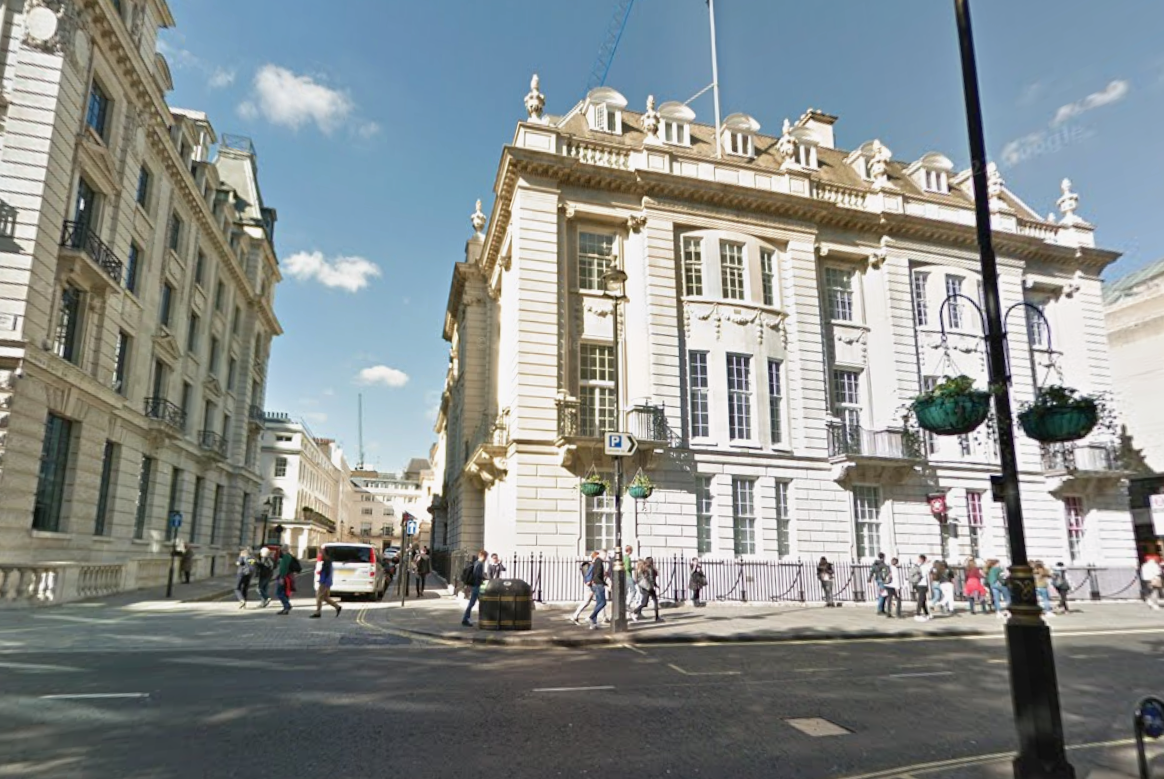
The marriage record gies Robert MARTIN's address as 7 Pall Mall East, which is only a short distance from St Martin in the Field.
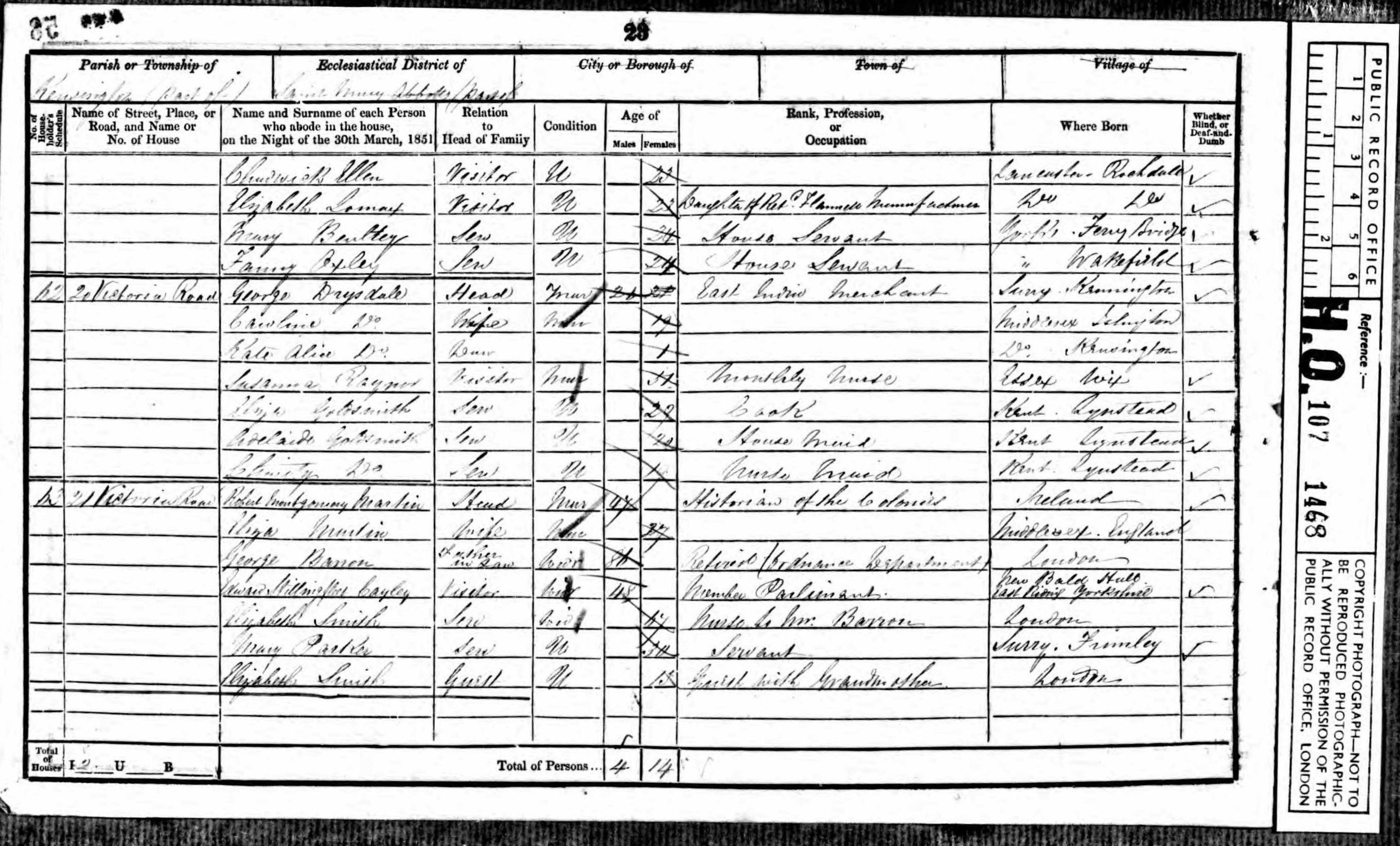
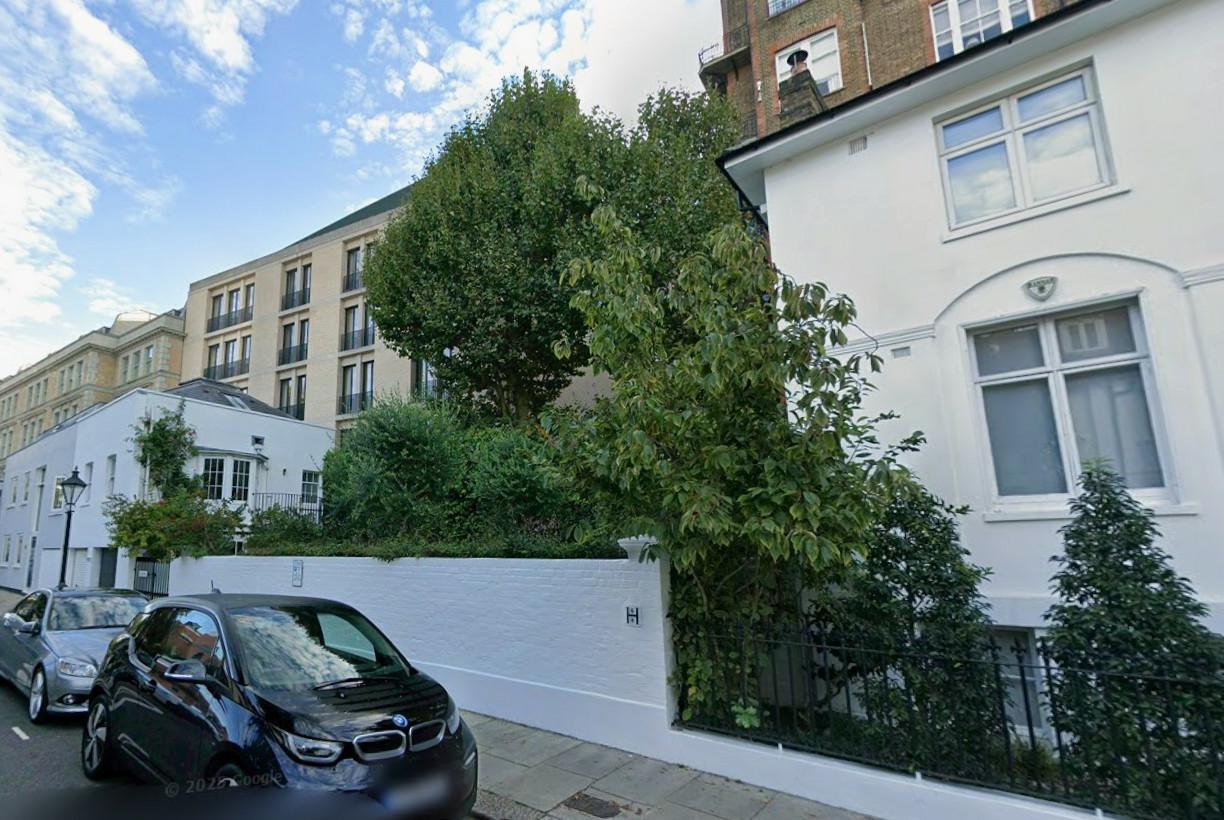
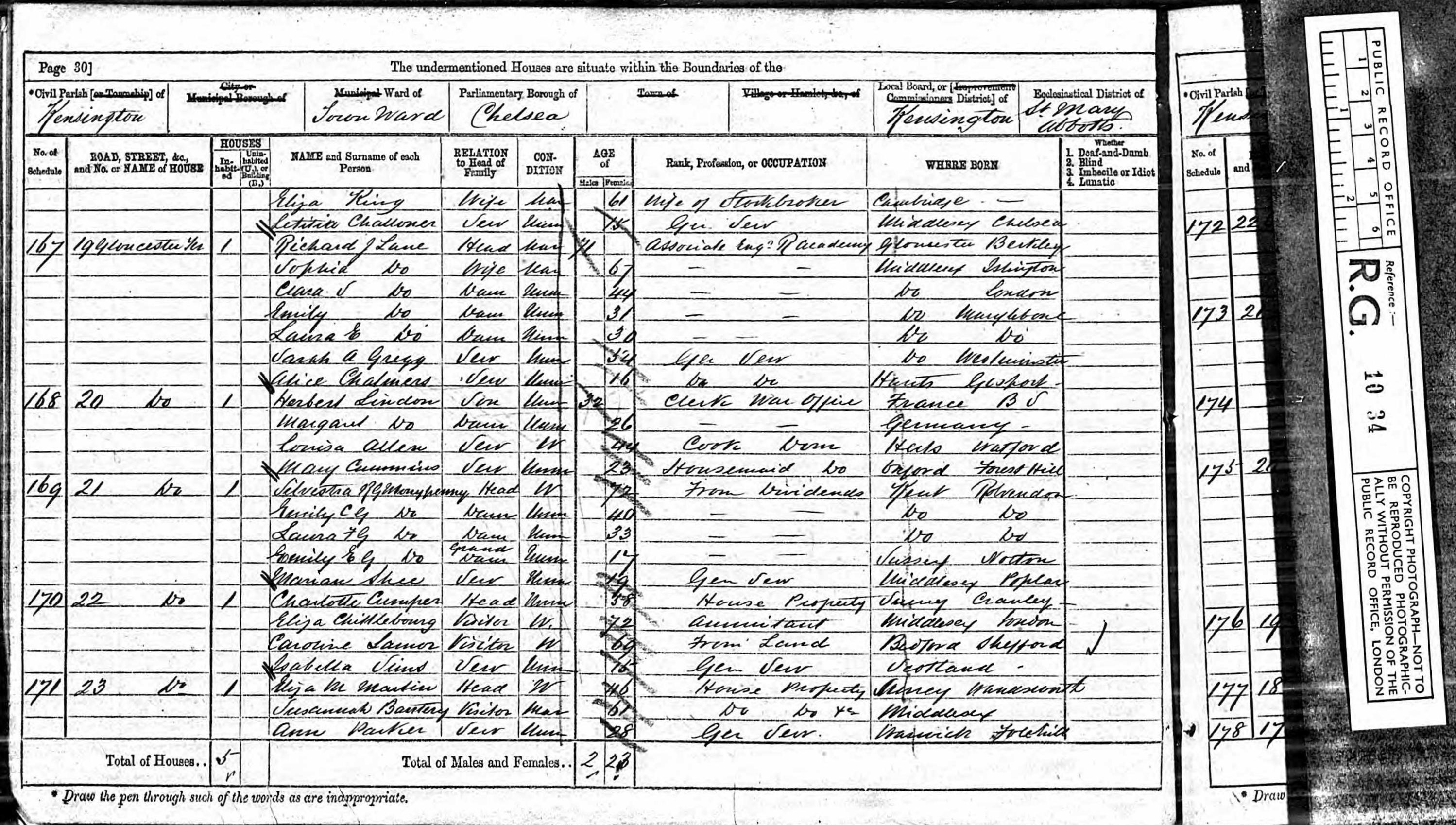
1851 CensusBy the time of the 1851 census, Martin and his new wife Eliza had moved to 21 Victoria Rd, Kengsington, perhaps not quite as central as Pall Mall, but still fashionable. No 21 appears to have been demolished in recent times.
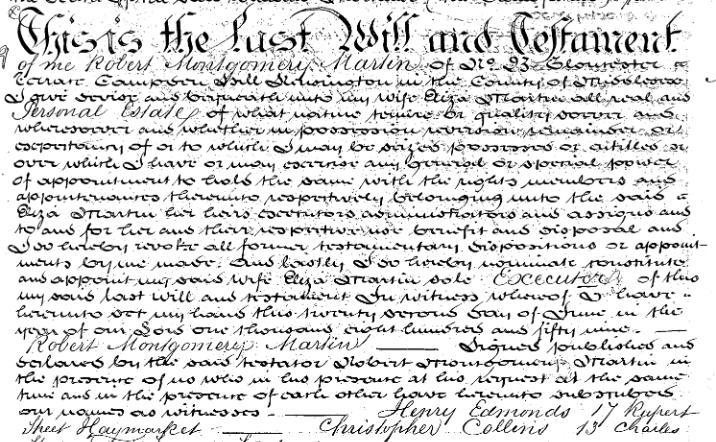
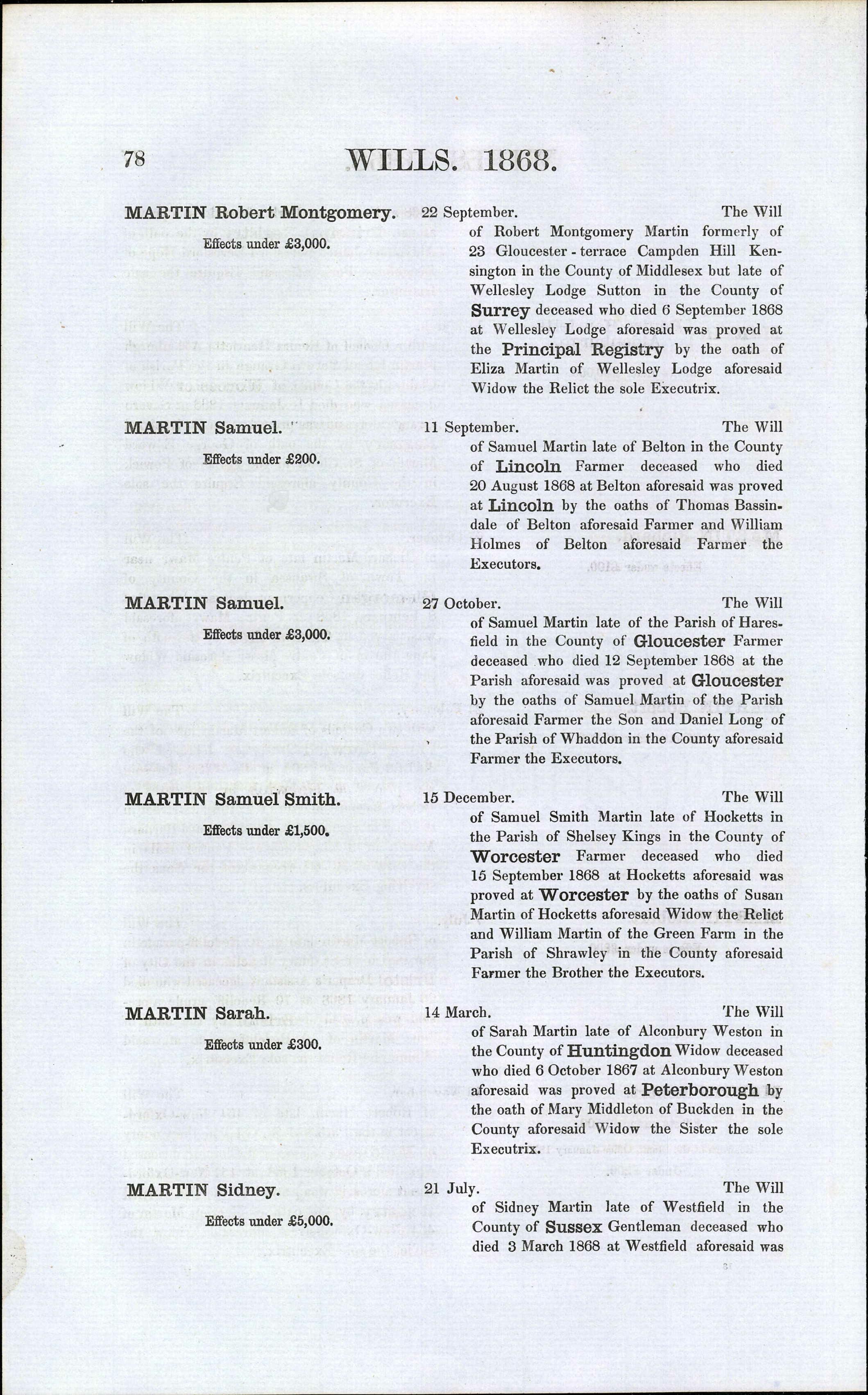
Martin's Will signed in 1859On 22 June 1859 Martin executed a Will, leaving all of his estate to his wife Eliza Martin. His address at the time was 21-23 Gloucester Terrace, Kensington, London. A copy of his Will accompanied the grant of probate in 1868 but the Will is provided here.
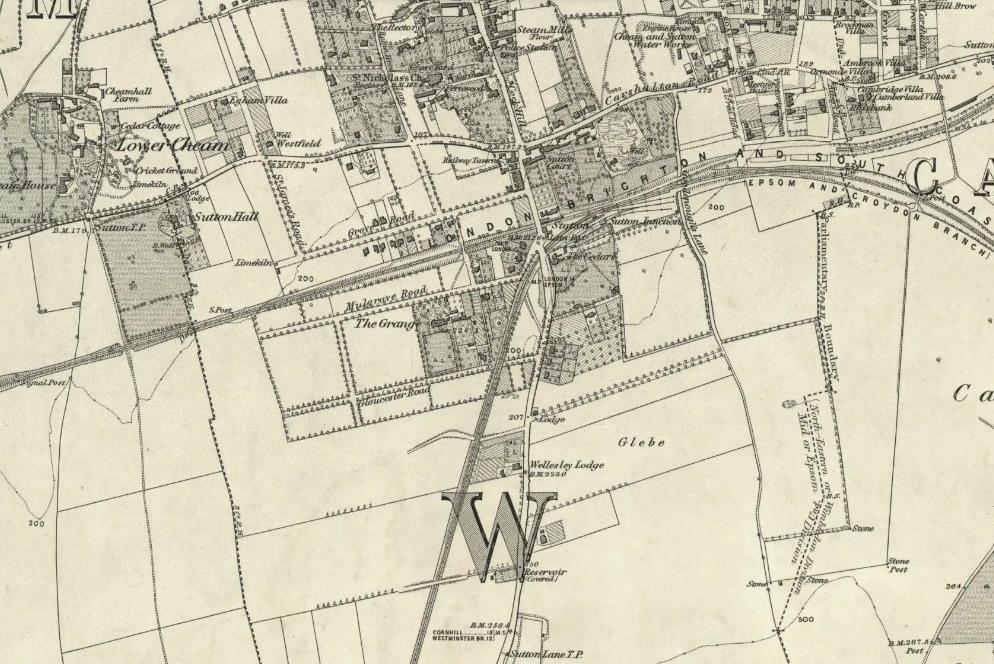
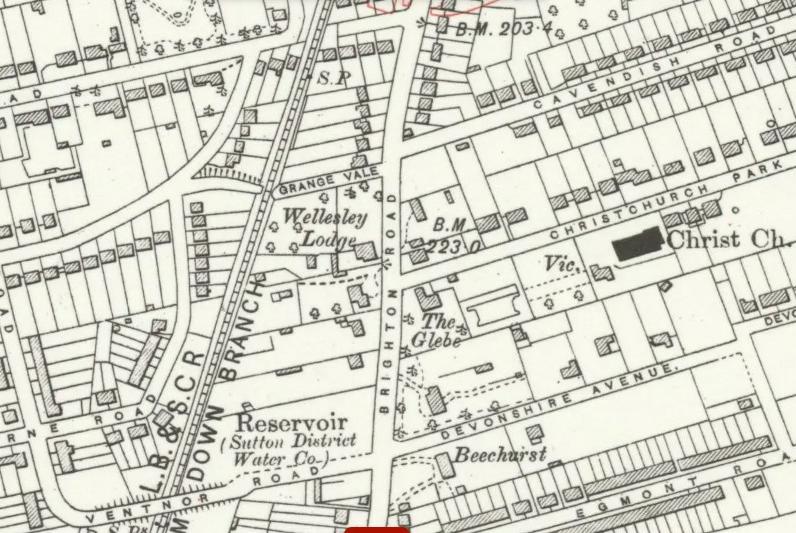
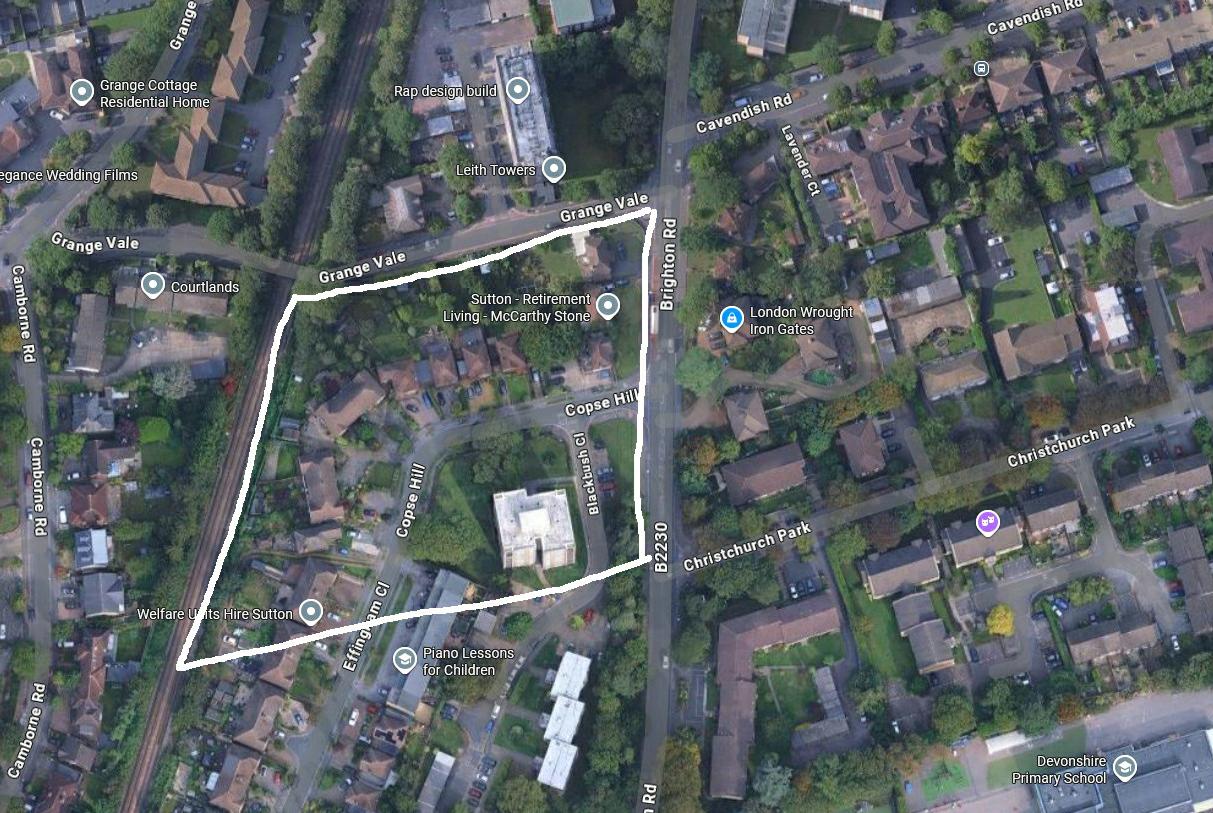
Removal to Sutton, SurreyMartin's biography (see above) relates that he moved to Sutton, Surrey in 1861, but Robert and Eliza are not in the 1861 census at either London or Sutton. The 1863 Electoral Roll has Martin residing at 2 The Cresent, Sutton, which would have been a new development a few miles south along the Brighton Road. However the 1864 Electoral Roll has him at Wellesley Lodge, Sutton where he remained until his death in 1868. The history of Wellesley Lodge is uncertain - Martin may have had it built, but he almost certainly named it after the Duke of Wellesley, one of his benefactors. The Lodge was on a large block of land a mile south of Sutton, bounded tot he west by the railway and to the east by the Brighton Rd. It is shown on the 1866 and 1911 Ordnance Survey Maps but by 1930 it had been replaced by new dwellings. Today the site of the Lodge is occupied by Blackbush Close and the Dunscourt Flats.
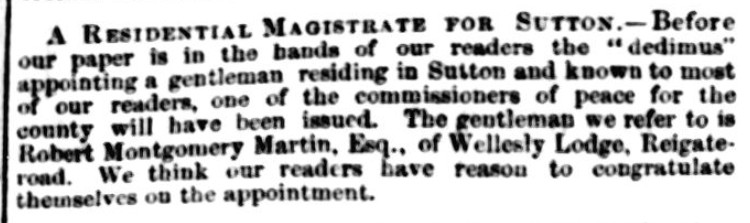
Becoming a magistrateIn 1864 Martin was appointed a residential magistrate or Justice of the Peace for Sutton. The editor of the Sutton Advertiser implies that Martin was already well known in the district.
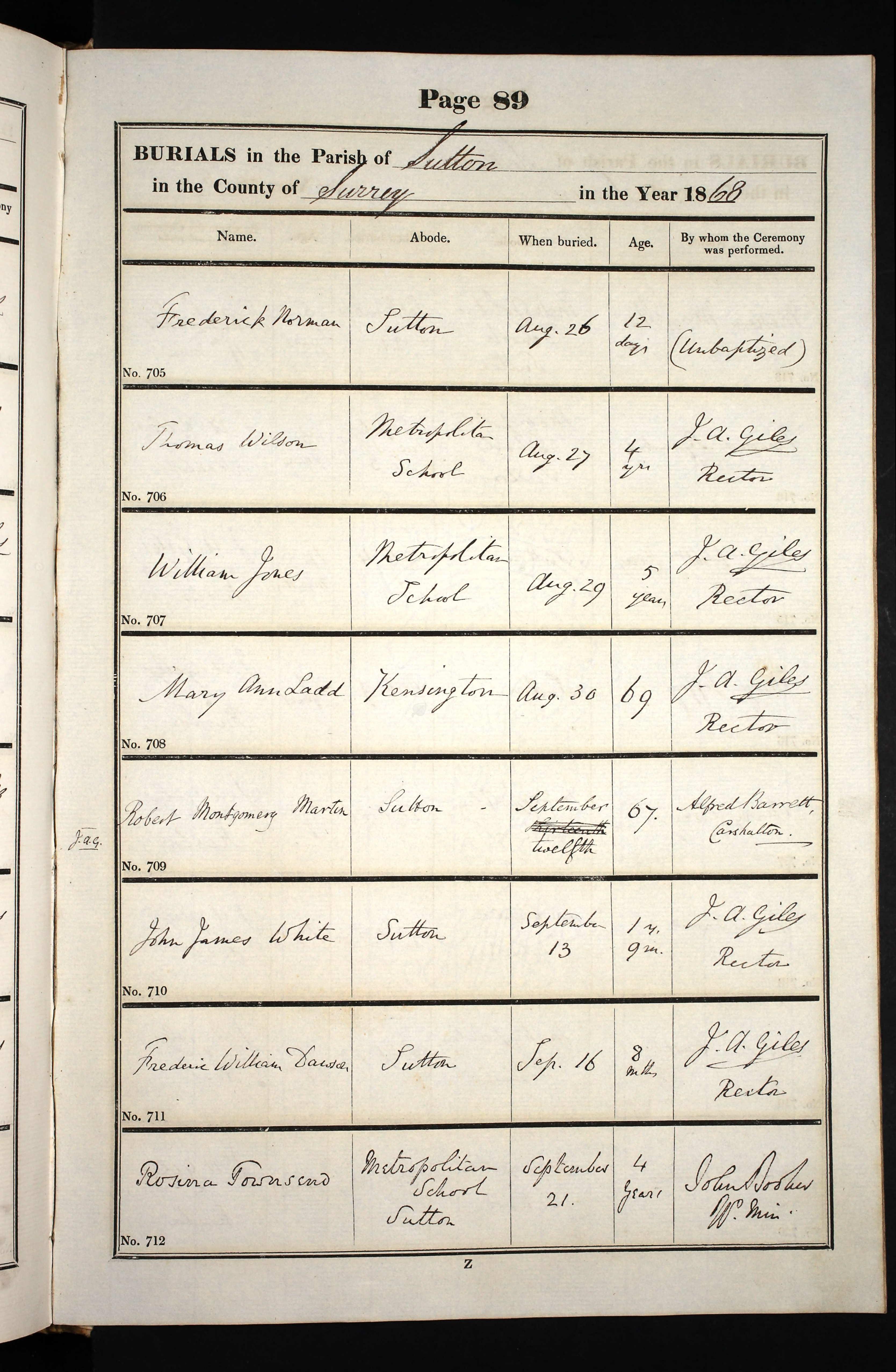
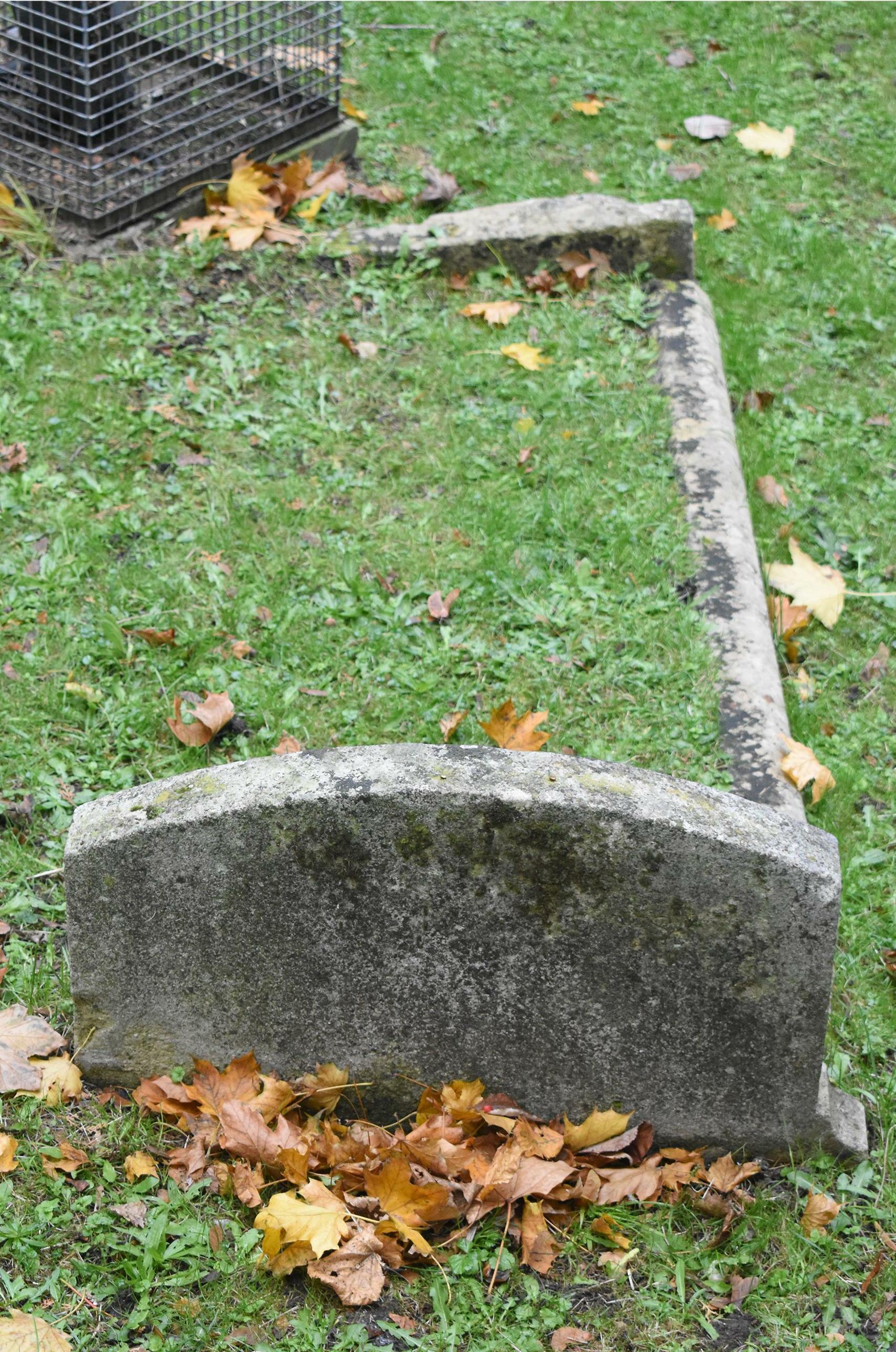
Death of Robert Montgomery MARTIN: 6 September 1868Robert MARTIN died at Wellesley Lodge on 6 September 1868. The newspaper notice, although brief, states he was ".. in his sixty-fifth year", thus implying he was born in 1803. His body was buried a few days later in the churchyard of Sutton St Nicholas.
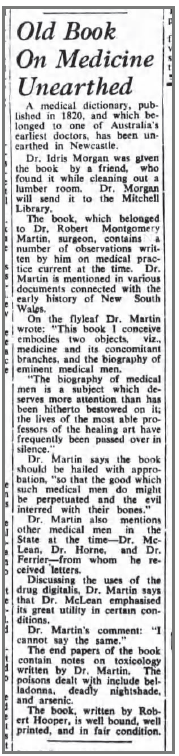
A Robert Montgomery MARTIN artifact found in 1952Although Robert Montgomery MARTIN left Australia in about 1828, his legacy lived on. In 1952 one of his medical texts was found in Newcastle and donated to the Mitchell Library in Sydney. The book appears in the library catalogue.
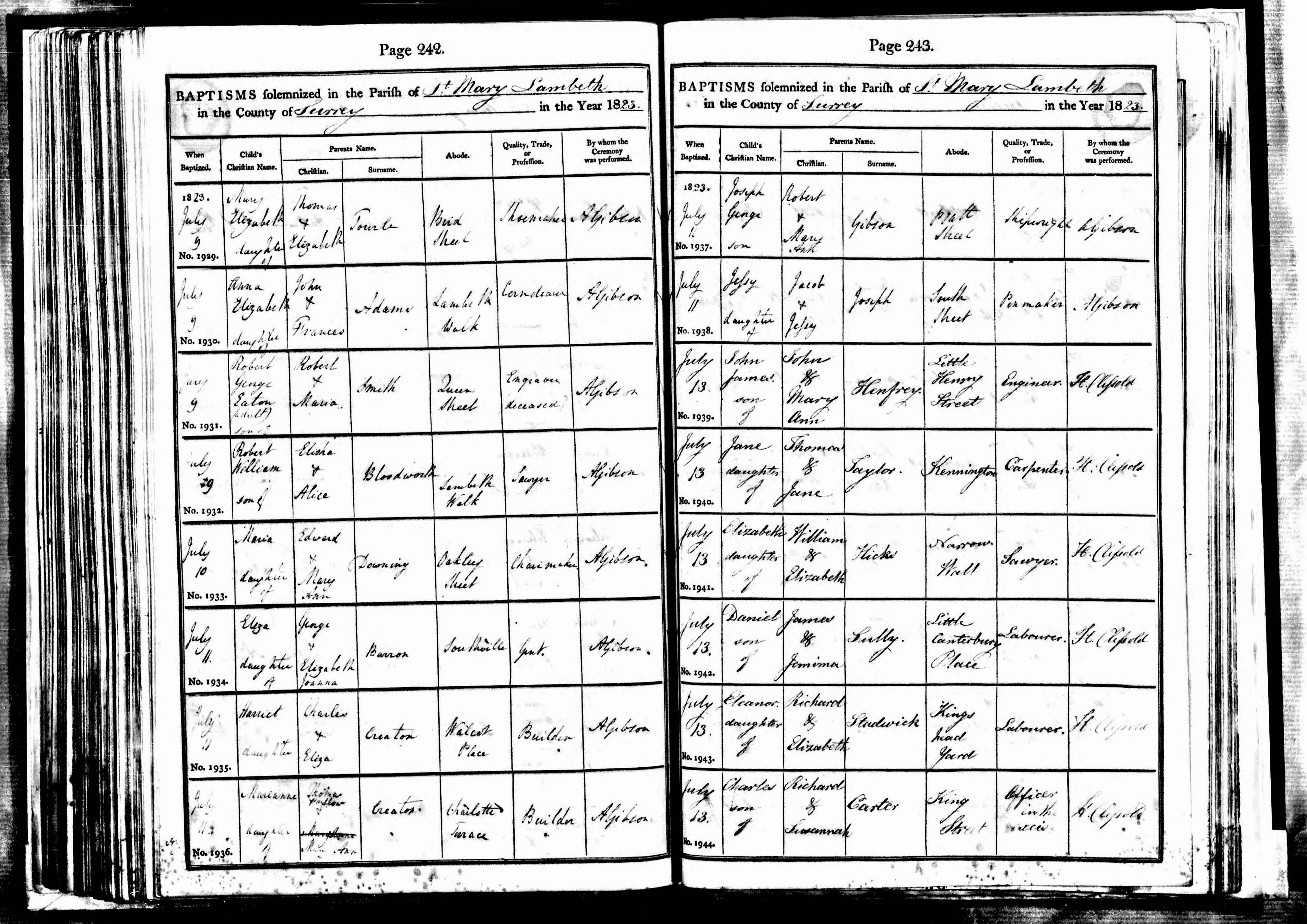
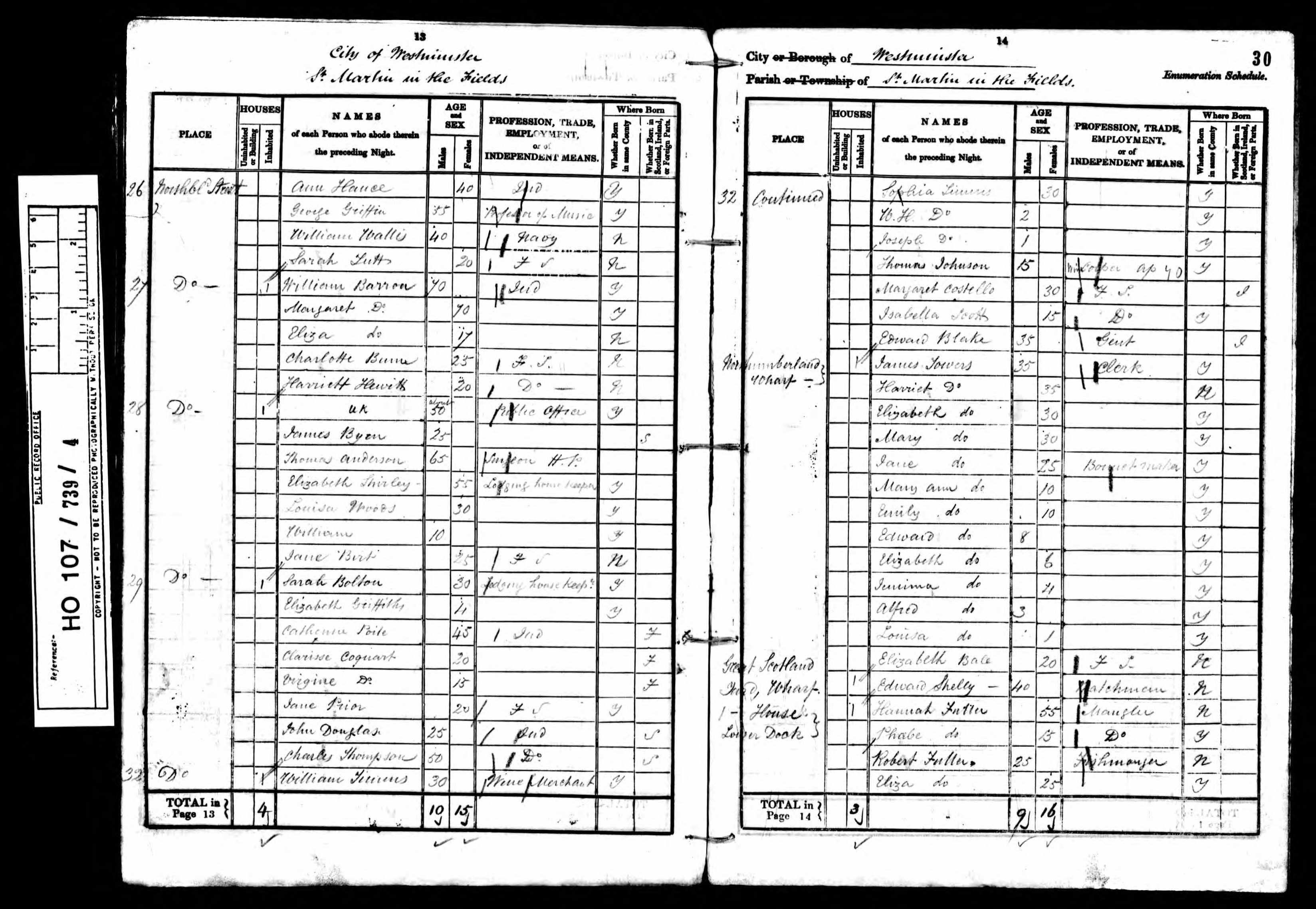
What became of Eliza MARTIN?Eliza had married Robert Montgomery MARTIN in 1847 after his divorce from Frances Jane Avice KEITH. She had been born Eliza BARRON, the daughter of George and Elizabeth Joanna BARRON, baptised at St Mary at Lambeth on 11 July 1823. George BARRON is recorded as having been in the Army Ordnance, probably in Canada. Her mother died on 28 January 1854 and it appears that she was raised by her grandparents William and Margaret BARRON. By 1841 Eliza and grandparetns were living at 26 Northumberland St, St Martin in the Fields. BY 1851 Eliza had married Montgomery MARTIN and they, together with George BARRON, were living at 21 Victoria Rd.
George BARRON died on 5 March 1852 and Eliza inherited his estate. Robert Montgomery MARTIN died in 1868 and she inherited his estate, estimated to be valued at under £3,000. Soon after Robert died Eliza moved back to Kensington in London. She was not residing at Wellesley Lodge at the time of the 1871 census; an Eliza M Martin was residing at 23 Gloucester Terrace, Kensington.
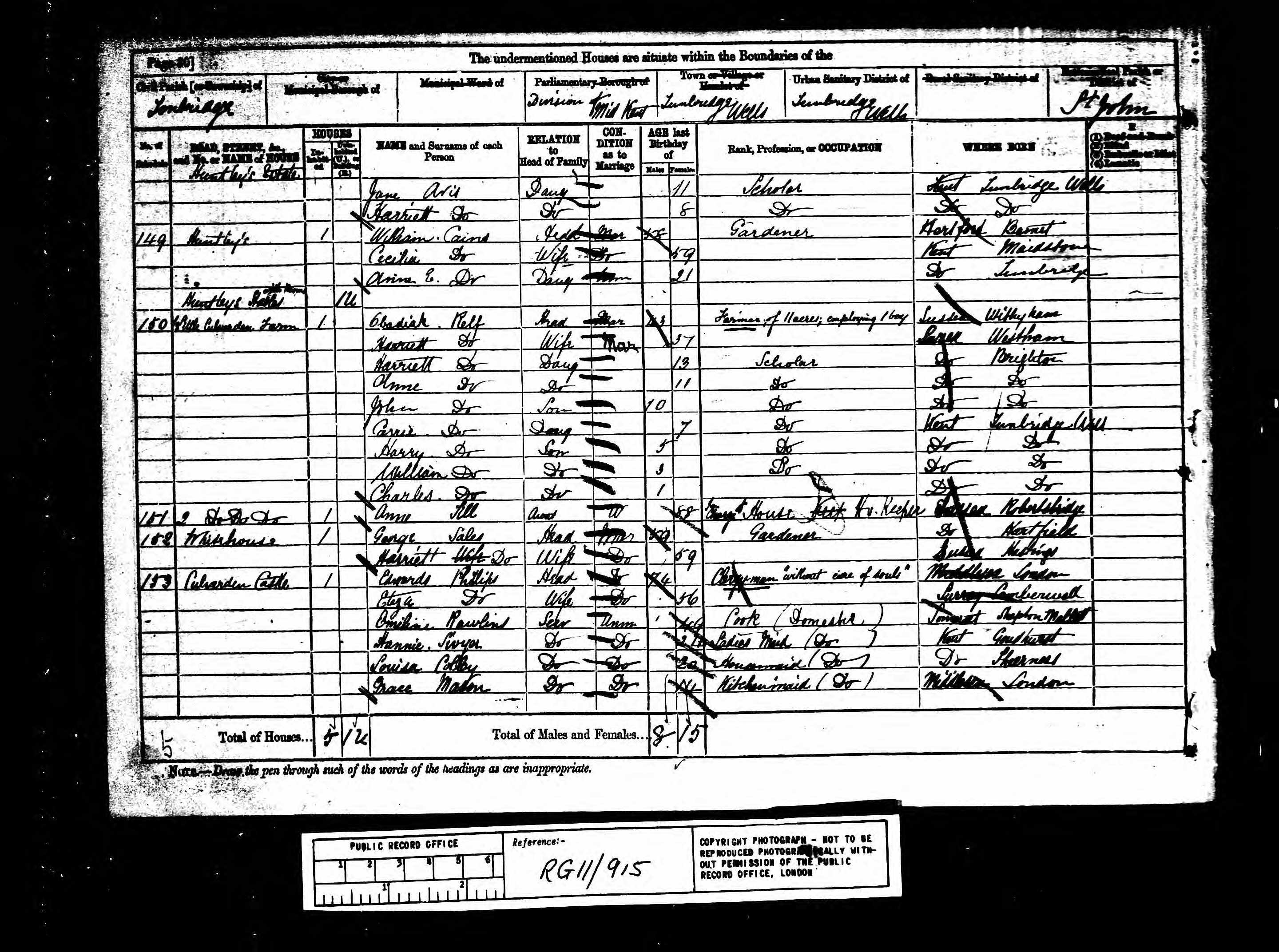
Marriage to Rev Edward PHILLIPSOn 16 May 1874 Eliza married the Reverend Edward Phillips (1807–1885), who been the incumbent at St Marks, Surbiton Surrey, but had subsequently retired to London after his wife died in 1868. They rented Culverden Castle, Culverden Down, Tunbridge Wells from the Salomons family, where she became the central figure in the local branch of the Society for the Prevention of Cruelty to Animals (later RSPCA). In 1881 Edward and Eliza were living at Culverden Castle, now demolished.
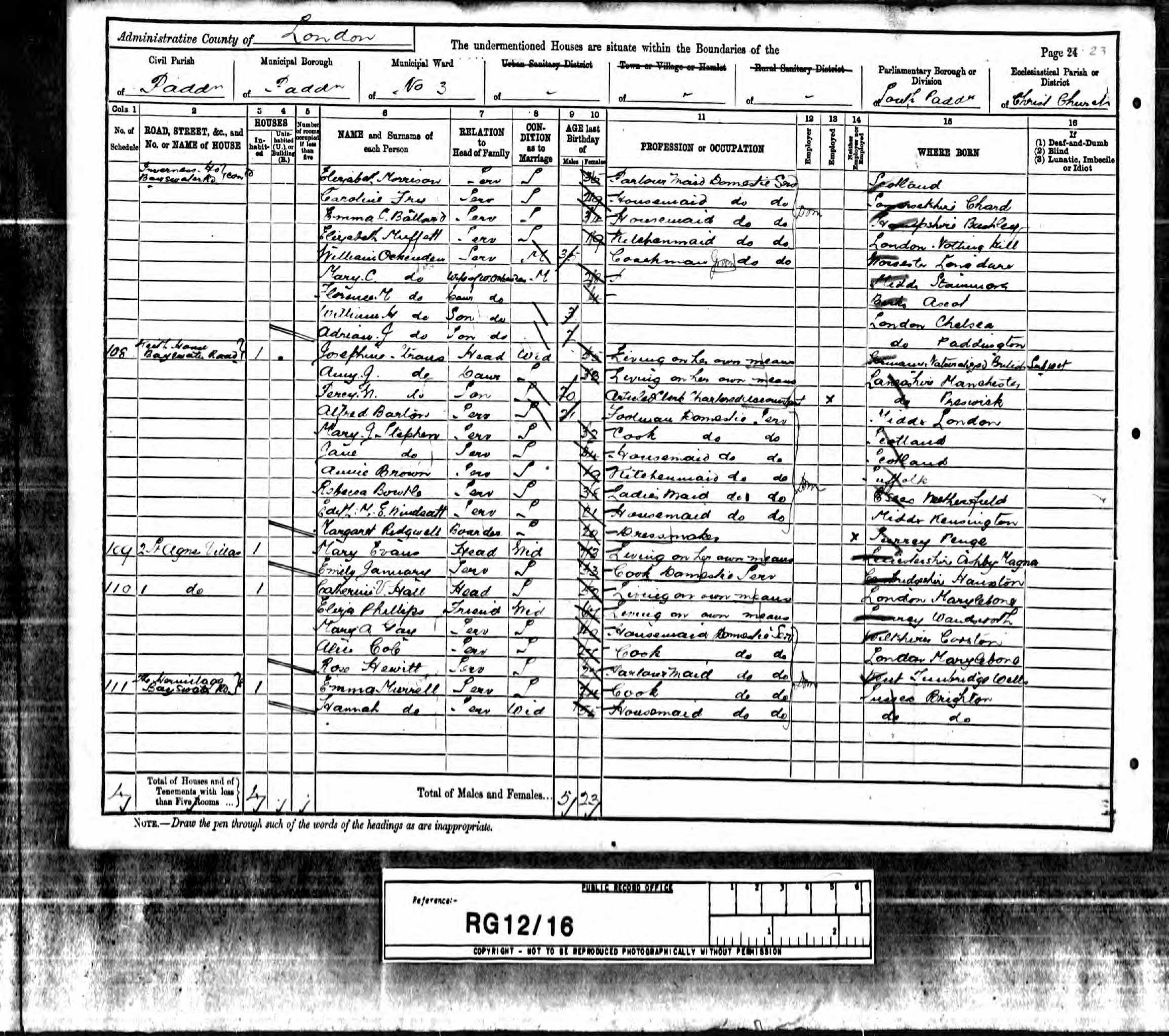
Edward PHILLIPS died at Culverden Castle on 11 January 1885. Eliza now became interested in animal welfare, forming a group known as the "Fin, fur and feather folk". Her interests in animal, especially bird, welfare grew and she assisted in the formation of the Society for the Protection of Birds, now the RSPB. She left Culverden Castle for London where she was living at the time of the 1891 census.
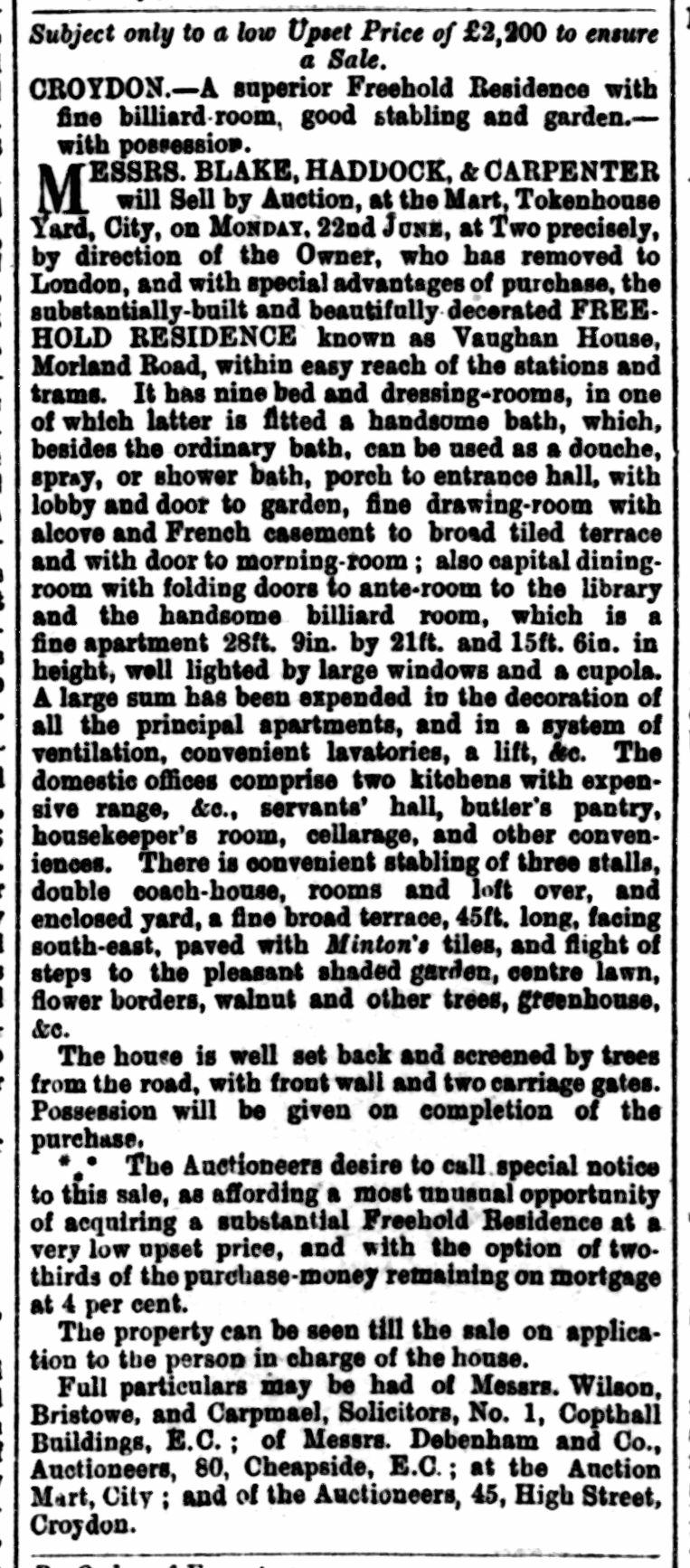
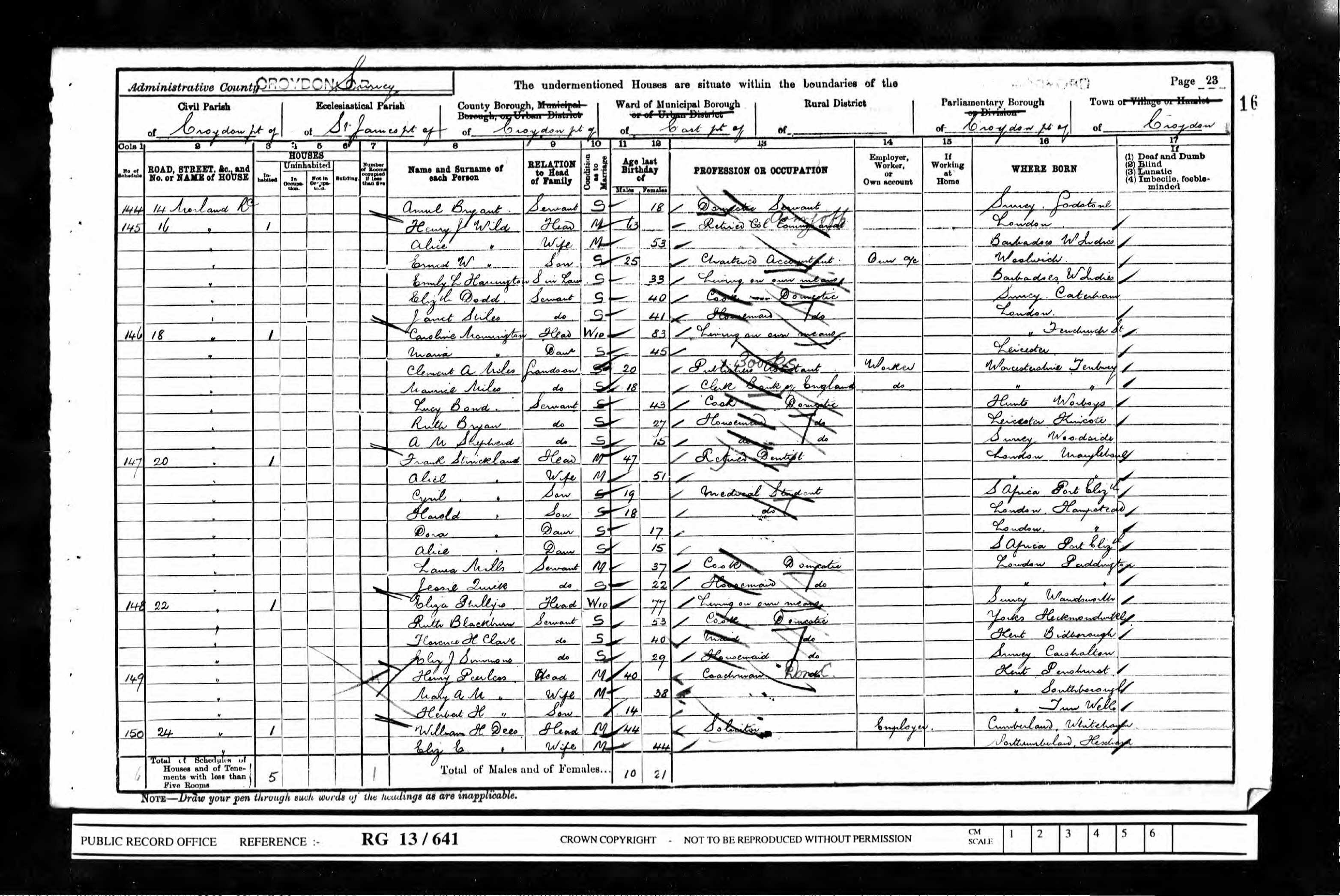
Later in 1891 Eliza bought Vaughan House at 22 Morland Rd, Croydon. The property was first advertised for auction in October 1890 but did not sell. It was advertised again in June 1891 and this time was sold to Eliza PHILLIPS. Vaughan House was just a mile or so east of her old home at Wellesley Lodge in Sutton. She remained here for the rest of her life. There are no images or photos of Vaughan House (or of Eliza), but the auctionerr's description is informative.
From Vaughan House Eliza continued her campaign in support of birds, particularly against the use of feathers in ladies costumes. She was instrumental in the development of the RSPB and was honoured as their first Associate Member.
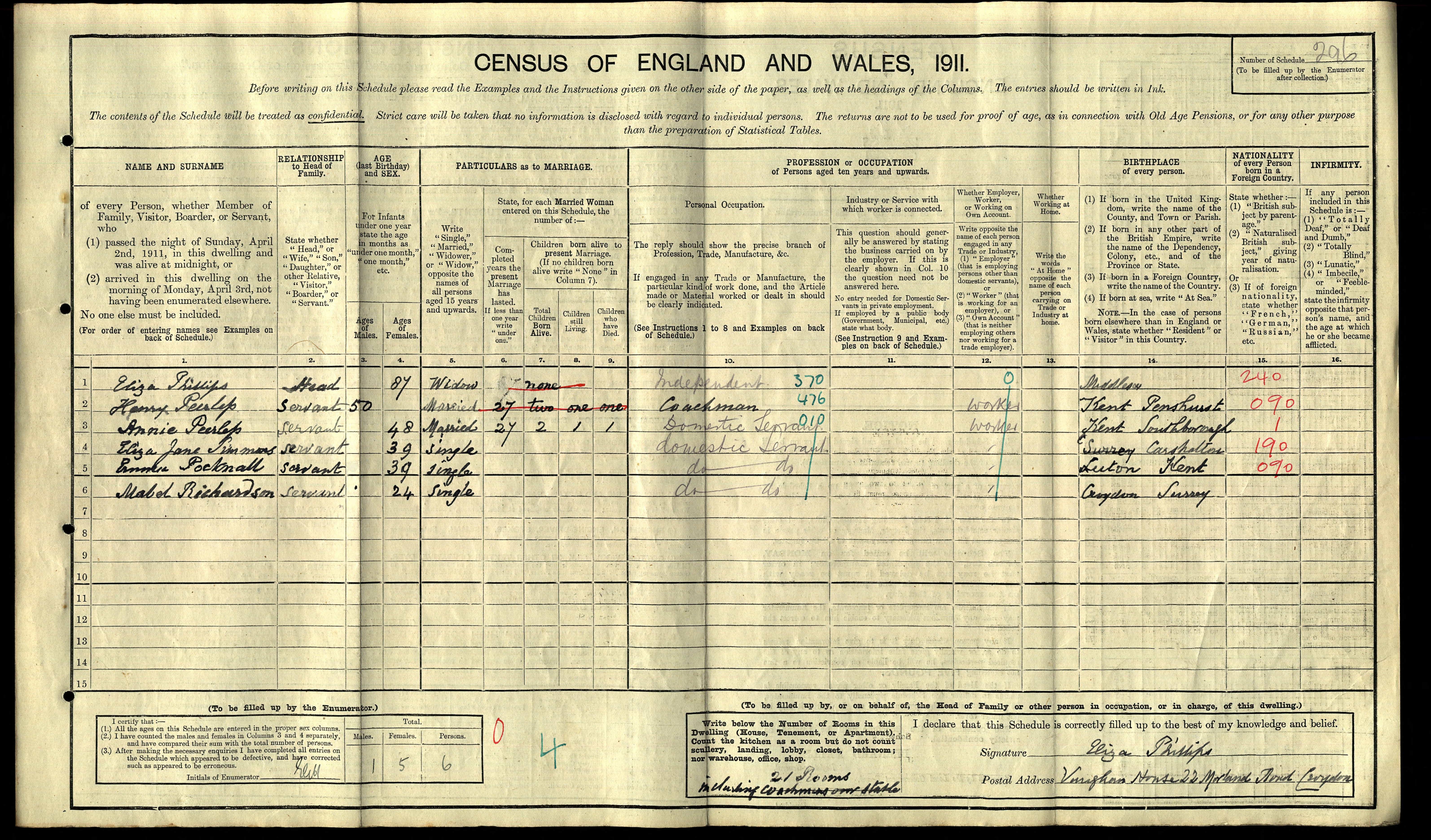
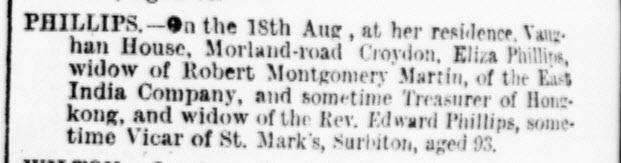
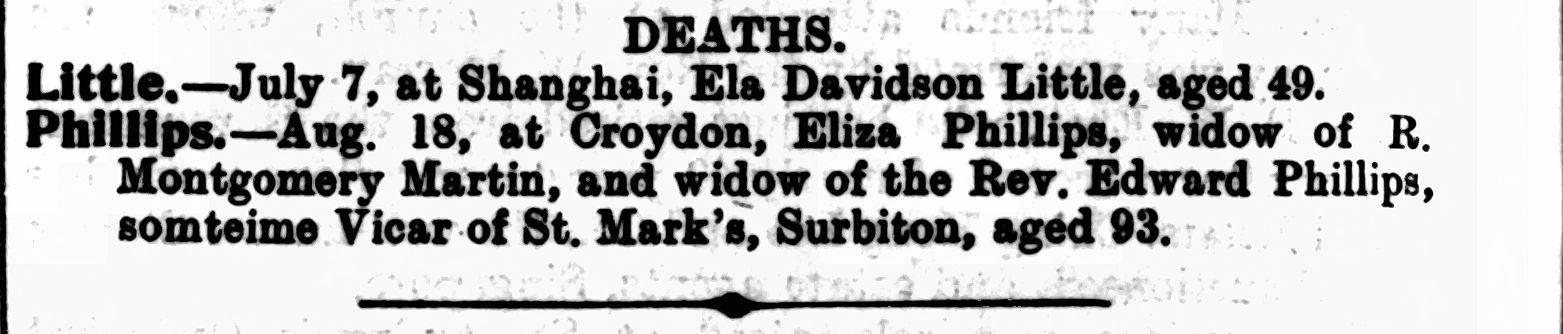
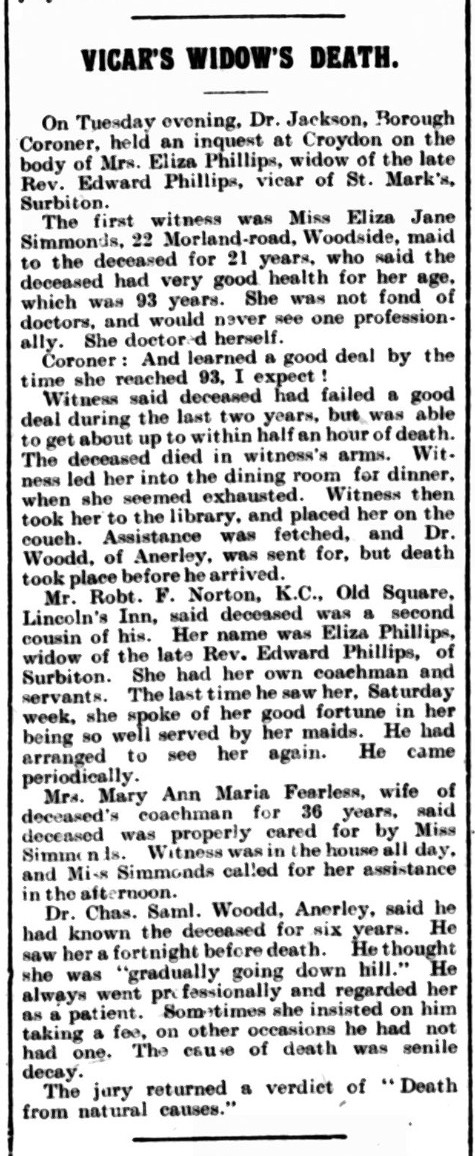
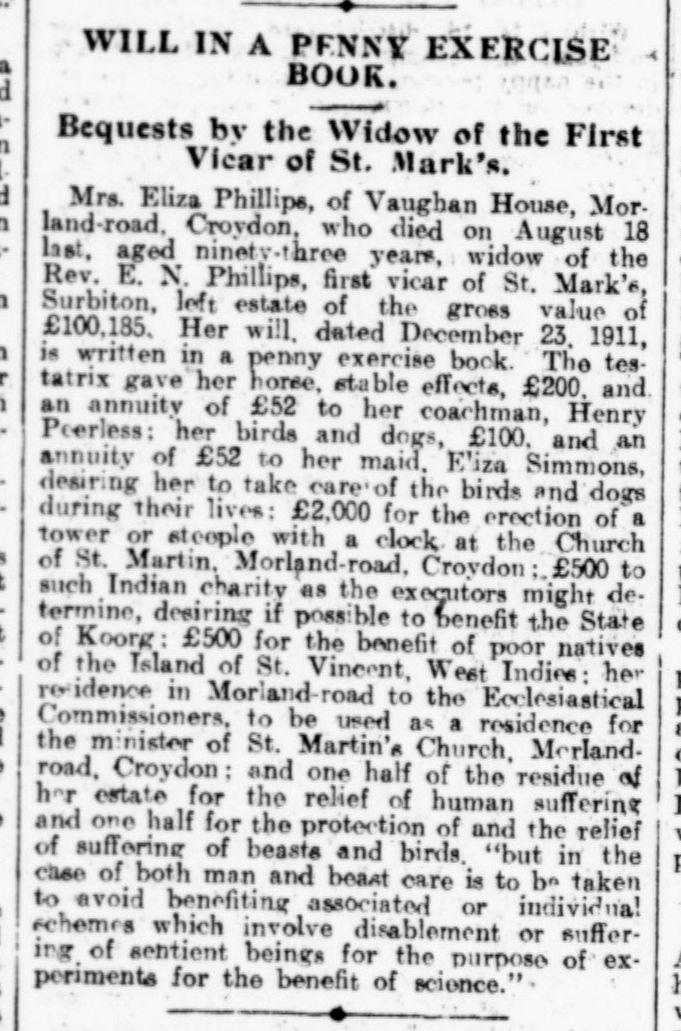
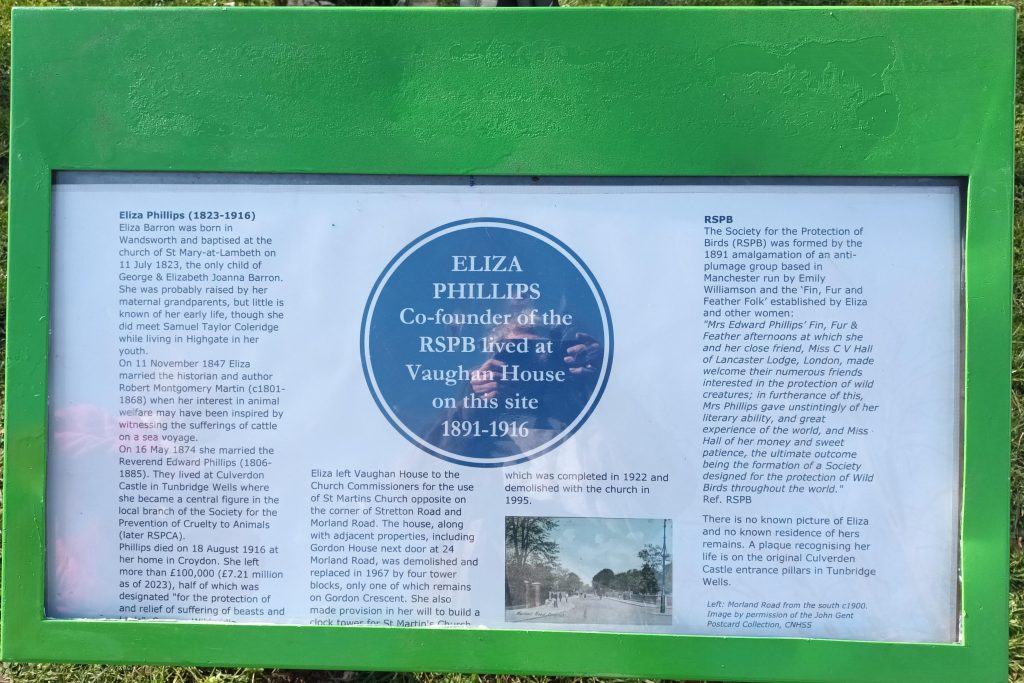
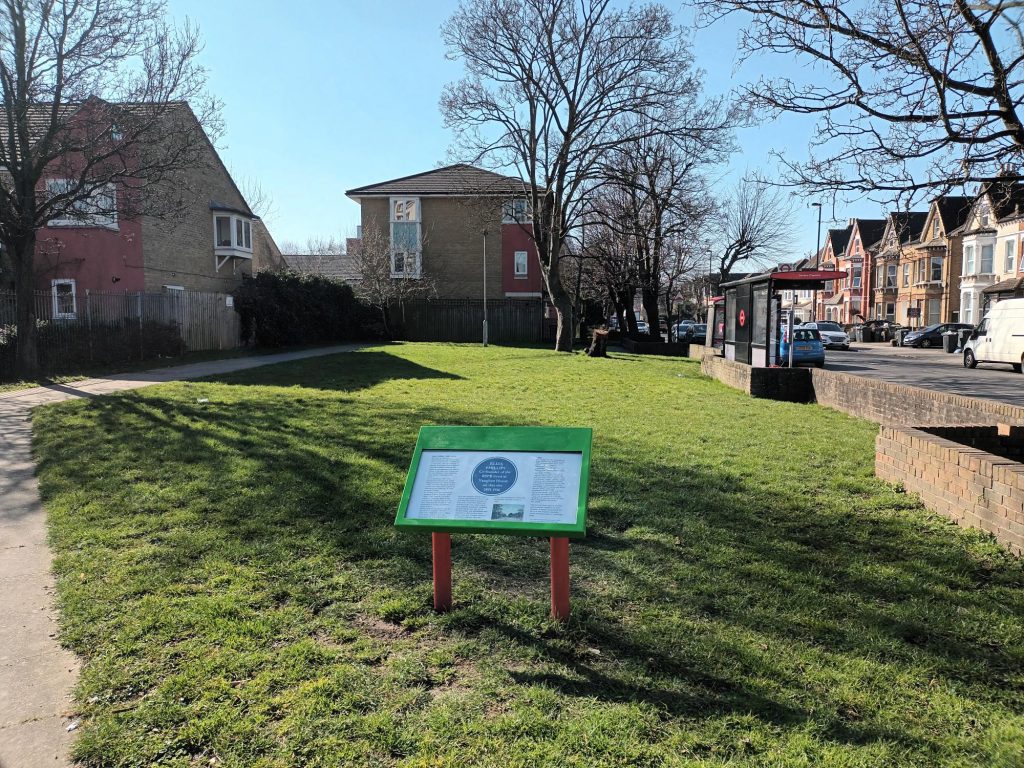
Eliza died at Vaughan House on 18 August 1916. Her death was reported widely in the papers, as was an inquest. She was buried in the same grave as her father in Brompton Cemetery on 23 August 1916 - grave M/168/67. In her Will, written in a "penny exercise book" she left money to her servants and charities. She left money to build a bell tower for St Martin's Church across the road from Vaughan House adn £1,000 to the local hospital. Shye left Vaughan House itself to the church, they later sold it and the adjoining 24 Morland Rd for housing. There are no known photos of Vaughan House, or of Eliza Phillips herself. Today she is commemorated by a sign board in the children's park where Vaughan House once stood.
Return to the Frances Keith Page Last updated: 4 January 2026 |
|||||||||||||||||||||||||||||||||||||||||||||||||||||||||||||||||||||||||||||||||||||||||||||||||||||